


What challenges does the rapidly growing role of hardware and software in our social interactions pose for education and educators? In the merging digital and physical spaces, is the pandemic changing our understanding of individual freedom and solidarity within the community? What role do algorithms play, increasingly defining the framework for self-determination and external control? How can analog and digital interaction, communication, and learning help us recognize orientation and opportunities and utilize them beyond the crisis?
From December 6th to 10th, 2021, 74 early childhood education students from the Anna Freud School explored these questions – also in a very practical way, in a hybrid seminar with online, cross-workshop elements such as plenary sessions and presentations, and six digital and two in-person workshops.
The results of this examination of different aspects of digitalization at the individual and societal level are diverse:
Please note that by clicking on the following images and links, data will be transmitted to and/or Audioyou.de, Mural.com, scratch.mit.edu and/or Vimeo.com ; see the links to the privacy policies of the services and the privacy policy of wannseeFORUM..
What different aspects does digitalization bring for us on a personal and societal level? Does acting in the digital space, for example, also mean constant surveillance?
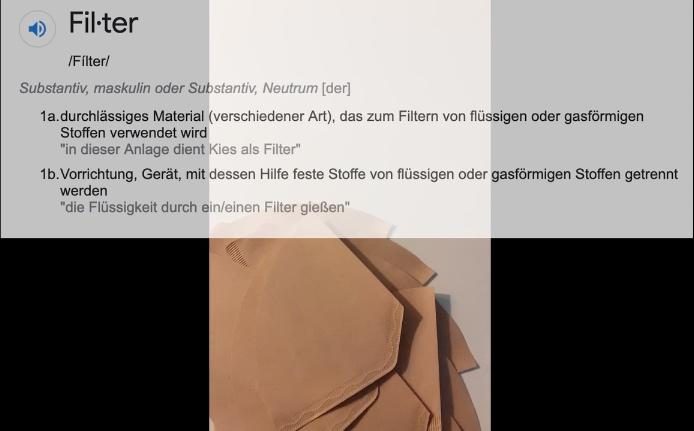
The animation film workshop explored this question and developed three different short films on the subject. Using Google Earth as an example, the working group behind the animated film "Digitalization" addressed not only fears of omnipresent surveillance but also new, positive networking opportunities for people and places worldwide. Smart devices like Alexa and their associated surveillance functions, as well as their human interpretation and the resulting conspiracy theories, are the focus of the animated film "The Murder Case." The third animation, "Social Media Analyst," which can be viewed here with the filmmaker's permission, revolves around filters, the moderation of user-generated content by large companies like Google, Facebook, and others, and its impact.
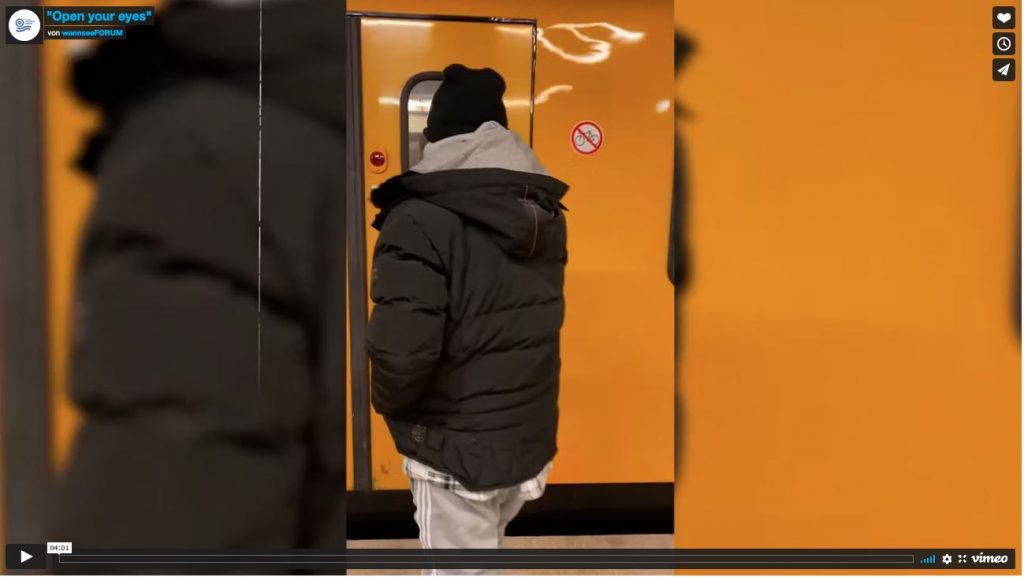
The boundaries between offline and online spaces are increasingly blurring, but the overarching question remains: what does respect actually mean for all kinds of interaction? The RAP workshop group's video shows their perspective:
To what extent is interaction, especially in these times, also associated with stress? What do social media and identity formation have to do with each other in this regard? "Who am I really, and what distinguishes me from others? ...What are values, what are norms? ...What does this have to do with gender...and what about the increasing pressure in a performance-oriented society?"
The podcast group addressed this question and produced the podcast feature "Impact of potential stressors on personality development".
It not only provides answers to the above questions and information on different types of stress, but also includes practical breathing exercises at the end to help you cope with them!
Input, research, and discussions on "Metaverse," Mark Zuckerberg's current project to create a unique universe merging physical and virtual worlds from Facebook, served as the starting point for the workshop group "Creative Writing/Staged Reading." The term, originating from Neal Stephenson's science fiction novel "Snow Crash" (1991), and the idea of interacting via avatars led to numerous questions, engaging texts, and a fantastic performance, excerpts of which can be seen here:
Avatars – who/what is real, false, or genuine? Who is real here? Does life through avatars offer more possibilities, for example, through a different gender and thus different roles, power dynamics, and associated options for action? Who actually holds the power – the creator or the avatar?
Who controls the content in virtual worlds, and what exactly is a space blaster? Does it exist in this world, another, or no world at all?
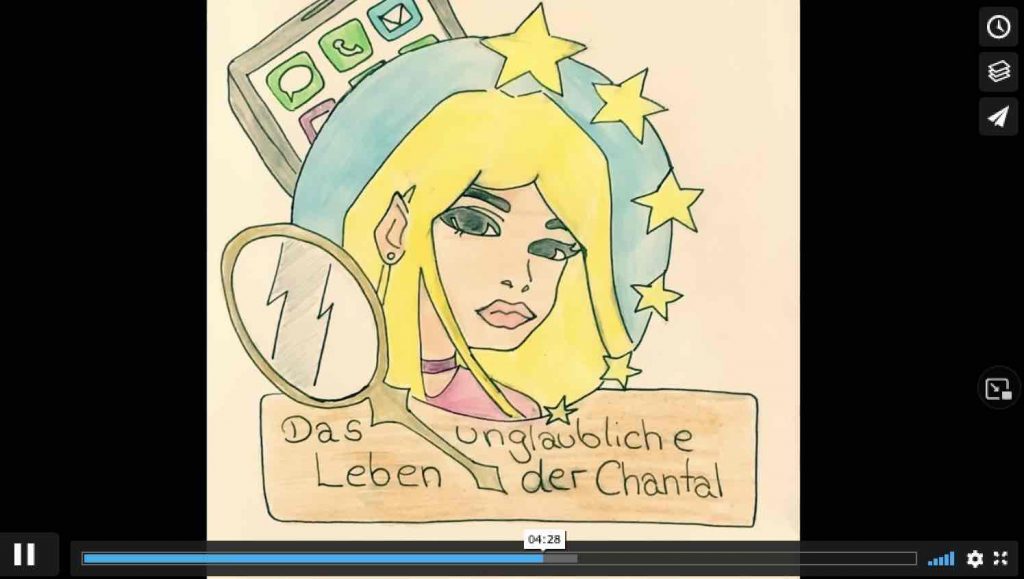
Creativity, and writing in particular, is a vital way to create your own, diverse worlds! ...and to illuminate others, as in the captivating podcast "The Incredible Life of Chantal!" - but see and hear for yourselves!
How does our communication change through digital devices? How do we and our photographs interpret our physical environment, which is permeated by the digital? And what role does a pony play in our interactions in public spaces these days?
The photography workshop group explored these questions and developed its own photo series. The result of these group works is a virtual exhibition, parts of which have been released for publication by the photographers and can be viewed here – on a digital whiteboard from mural.com: "Enter as visitor":
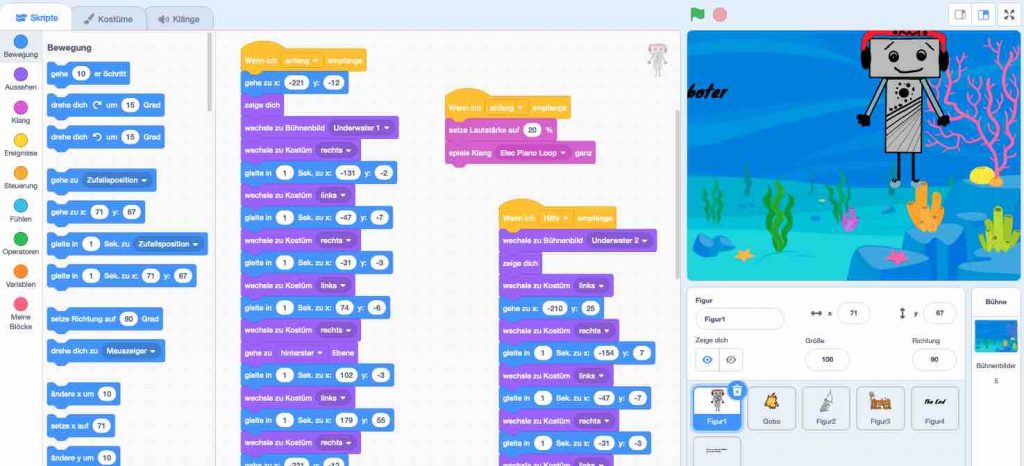
Love and friendship – how do smartphones and other devices change social interaction? Frank's story and the space love story, created in the Coding workshop group . Both stories, as well as other projects like the four mini-games, were developed by the participants using the Scratch programming language. In doing so, they gained hands-on experience with the possibilities of digitalization – both conceptually and practically through coding. Animations and games can be played on the Scratch platform by clicking the green flag or pressing the spacebar. Clicking the blue "Look Inside" button reveals the code written by the participants. Enjoy!


How do we form our opinions, and what role do fake news and conspiracy theories play in this process?
The film workshop group produced the program "Famose Kellernews" (Fabulous Basement News) to explore this topic. The program includes a talk show about fake news and how to deal with rumors and online harassment, a report on conspiracy theories, and the advice not to believe everything but to conduct thorough research and inform oneself. But don't panic despite the breaking news alert at the end of the program, complete with disturbing images – it's just a film, which unfortunately cannot be shown here for legal reasons.
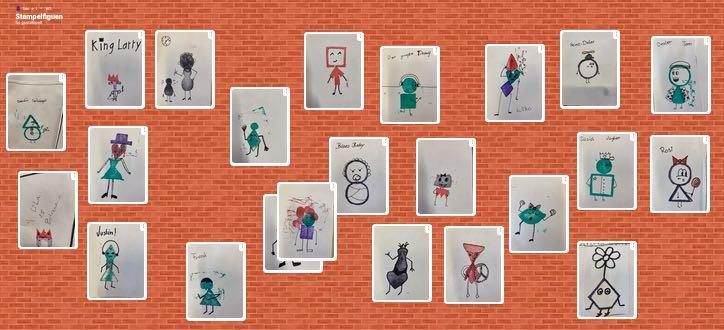
Digitalization and education were a major theme explored by the participants of the comic group – through analog techniques such as creating their own stamps, drawing, and combining these elements in storytelling. The image shows character developments from the group on a digital pinboard from Padlet.com. A wide variety of comics emerged from this, some of which here as a PDF (approx. 4 MB). Enjoy!
The issue of digitalization...
...will continue to be a topic for us in seminars – both offline and online!
The seminar was funded by the Senate Department for Education, Youth and Family and took place as part of the collaboration in the program “Political Youth Education in the AdB” in the project group “Digital Media and Democracy” .

Cover image: A look into the backend of the coding workshop. – Learning to understand algorithms and their effects…