


Innovation born of tradition
Soviet Army conquers Berlin; German surrender on May 8, 1945; Berlin becomes a four-sector city under Allied occupation; Wannsee belongs to the American sector

The founding committee consists of one member each
– American Youth Officer
– District Councilor for Adult Education
– School Principal
– Representative of the Workers' Welfare Association
– Youth Council
– Protestant Youth Pastor
– Catholic Youth Pastor
Youth policy principles of the British and American youth officers: No education as brainwashing, but opening eyes and freeing hands for joint development work.

The first course begins on February 16th.
It's about providing intellectual guidance for girls and boys from all ideological backgrounds: personal responsibility, independent thinking, social behavior.
Practical suggestions for group life.
Independence from political parties, associations, churches, and other interest groups.
Home management: Franz Steinrath and Lucille Day.
Their motto: "Giving young people the opportunity to help themselves." The 12-day courses include both a socio-political component and a practical component with groups focusing on art, music, and literature.
Beginning of political and cultural education.
The "Democratic Youth Forum" serves as a meeting place for former Wannsee residents to discuss current issues facing Berlin's youth with various youth organizations. It
's a youth program valued throughout Berlin, but as a "non-profit organization," it lacks financial security. This remains the fundamental problem of the Wannsee Forum's independence to this day.
Conflicting interests between the Soviets and the three Western Allies led to the Soviet city commandant's resignation from the city government of Greater Berlin. The Soviets blockaded land and water routes to Berlin. The American and British airlift ensured the supply of provisions to the population.
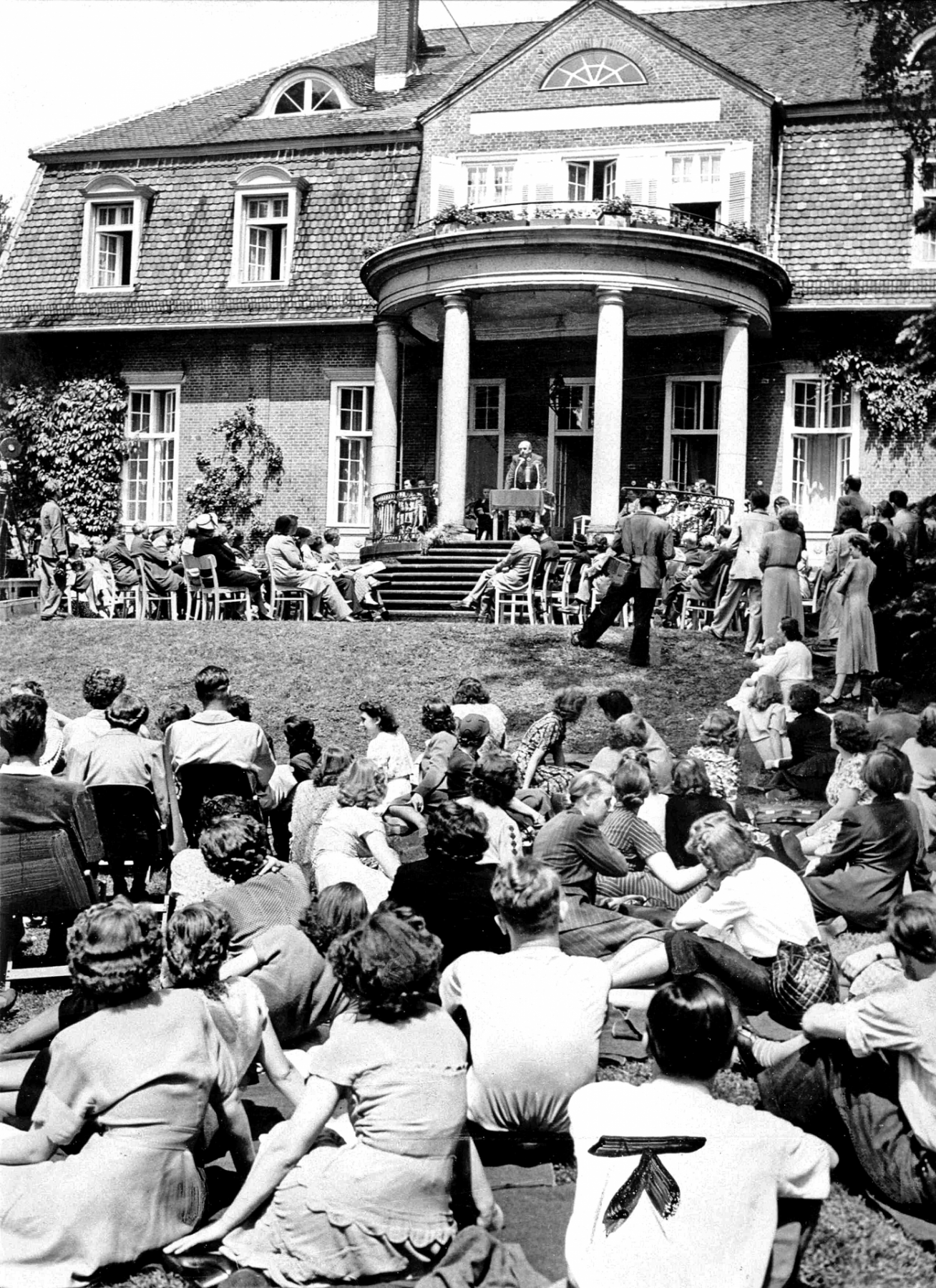
Opening on June 16th by the Governing Mayor Ernst Reuter together with Mrs. McCloy.
The High Commission for Occupied Germany decides to return the boathouse to the Schoolgirls' Rowing Association. Funding for youth leader training schools in the four American occupation zones is discontinued without explanation.
New foundations needed to be laid for the work of the Wannseeheim youth center. There was no lack of support. The existing committee, expanded by a circle of supporters, founded the Wannseeheim Association for Youth Work and Youth Leader Training.
"The purpose of the association is to support the effectiveness of youth work in Berlin by training leaders who work or want to work with youth groups," according to the statutes.
First managing board member within the meaning of § 26 of the German Civil Code (BGB):
Dr. Edmund Szydnik, Catholic youth pastor;
Wally Theis, book expert
In addition, there was an expanded board and five specialist committees, elected by the general assembly.
Ella Kay, head of the main youth welfare office, discovers Villa Joerger on Pohlesee, a grand bourgeois villa situated amidst extensive gardens, similar to the boathouse on the Wannsee chain of lakes. Thanks to a donation from the McCloy Foundation and a grant from the Federal Youth Plan, the property can be purchased and renovated by the association.
The management responsibilities are shared by a dual leadership, appointed by the Americans and the club's board of directors, respectively.
The integration of West Germany into Western Europe began, while Soviet propaganda called for "Germans at the table."
France, West Germany, Italy, and the Benelux countries joined together to form the "European Coal and Steel Community." The Treaty of Paris laid the foundation for peaceful coexistence in (Western) Europe.
The Protestant theologian Hermann Berger became the sole director, implementing his academically demanding curriculum in opposition to the more popular social and civic education approach.
At that time, the principle of "instructive teaching" still prevailed in school pedagogy. This included the individual achievement of the students, who were competitors among themselves.
Democratic education: Group work as a fundamental principle in all subject areas, in contrast to authoritarian leadership principles. The aim is to transform militaristic, fascist Germans into peace-loving democrats. Politically diverse orientations within the teaching team are accepted as a private matter, but neutrality, openness, and tolerance absolutely essential in their work.
Areas of expertise:
- Singing – Music – Choir Conducting
- Gymnastics – Sport – Games – Folk Dance
- Psychology and sociology, civic education
- Art education – amateur drama – musical
and cultural work in a group - Pedagogical leadership tasks and practical group management
The focus is on practical application through "active learning." Speakers are encouraged to "speak as untheoretically and unacademically as possible and to be open to audience questions."

The course program is agreed upon before it begins, but can be modified during the course based on the interests of the young people. The association's curriculum committee provides remote support for the educational work.
Youth organizations in Berlin are experiencing a surge in participation. Groups from all youth organizations are coming to Wannseeheim, along with working groups of nurses, kindergarten teachers, residential care workers, classes from vocational schools, volunteers, and tent helpers.
Arts and cultural education combined with political education emerged as the focus of the educational institution. were created in the adjacent building from the former horse stable and carriage house Theatersaal and an artAtelier.
In the 1950s, a discussion developed – starting from the youth centers and youth leader schools in the British occupation zone – about the self-image of political education and its representation of interests within the nationwide youth welfare system.
In 1959, this led to the formation of the association "Arbeitskreis Jugendbildungsstätten" (Working Group of Youth Education Centers), with the Wannseeheim as a founding member. New members came primarily from adult education, so in 1962 the association renamed itself " Arbeitskreis deutscher Bildungsstätten" (AdB) (Working Group of German Educational Institutions) .
June 17, 1953: Popular uprising in the GDR and East Berlin
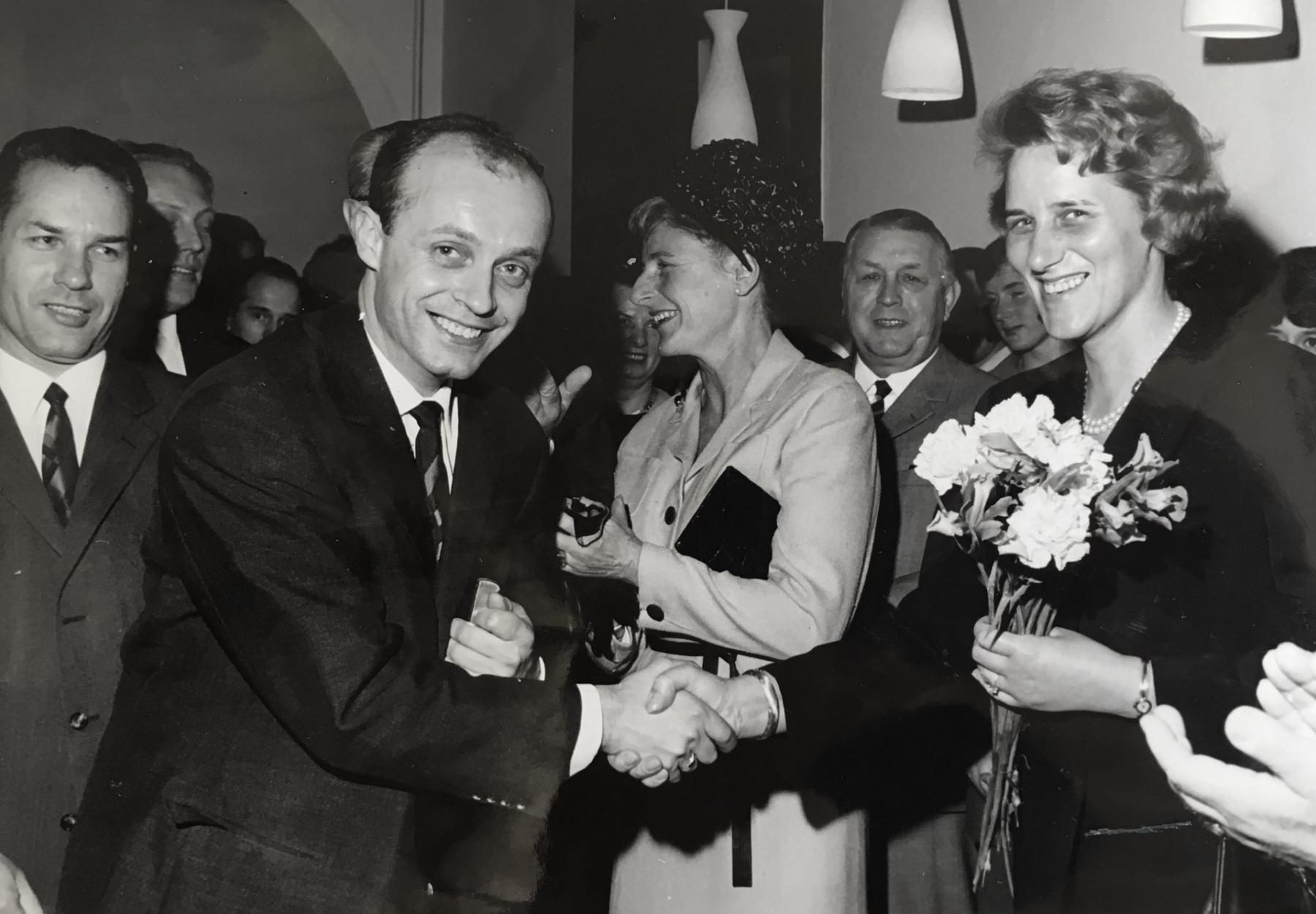
Hermann Berger is moving to the vocational school for social work as a lecturer in group pedagogy. The new director will be political scientist Peter Ulrich from DAG Jugend. The working atmosphere at Wannseeheim is vibrant and open to artistic experiments such as radio play workshops and jazz improvisations.
After the brutal division of the city, young people from East Berlin could no longer participate in the Wannseeheim's courses. However, the connection to the GDR was maintained through the literature used in the course work.
In 1962, the results of an empirical study on the political potential of Berlin's youth were published. One in two was a member of a youth organization. Support for democratic values and procedures was high. But the youth were transforming into a "skeptical generation.".
In 1964, the advisory service for youth work – financed by the Federal Youth Plan – became the first project to be continuously active outside of training courses in Berlin: its objective was to provide practical support for employees of youth associations.
Peter Ulrich anticipates that the Wannseeheim will only survive financially in the long term as an attractive overnight accommodation facility. The "Villa Joerger" no longer meets the changing needs of its guests. An extension with bedrooms and modern sanitary facilities is being built, financed by LOTTO Berlin and the Federal Youth Plan. The main building will be converted into space for group and specialist rooms.
The international youth exchange begins in the Artistic Summer Workshops
1963 Founding of the Franco-German Youth Office (FGYO)
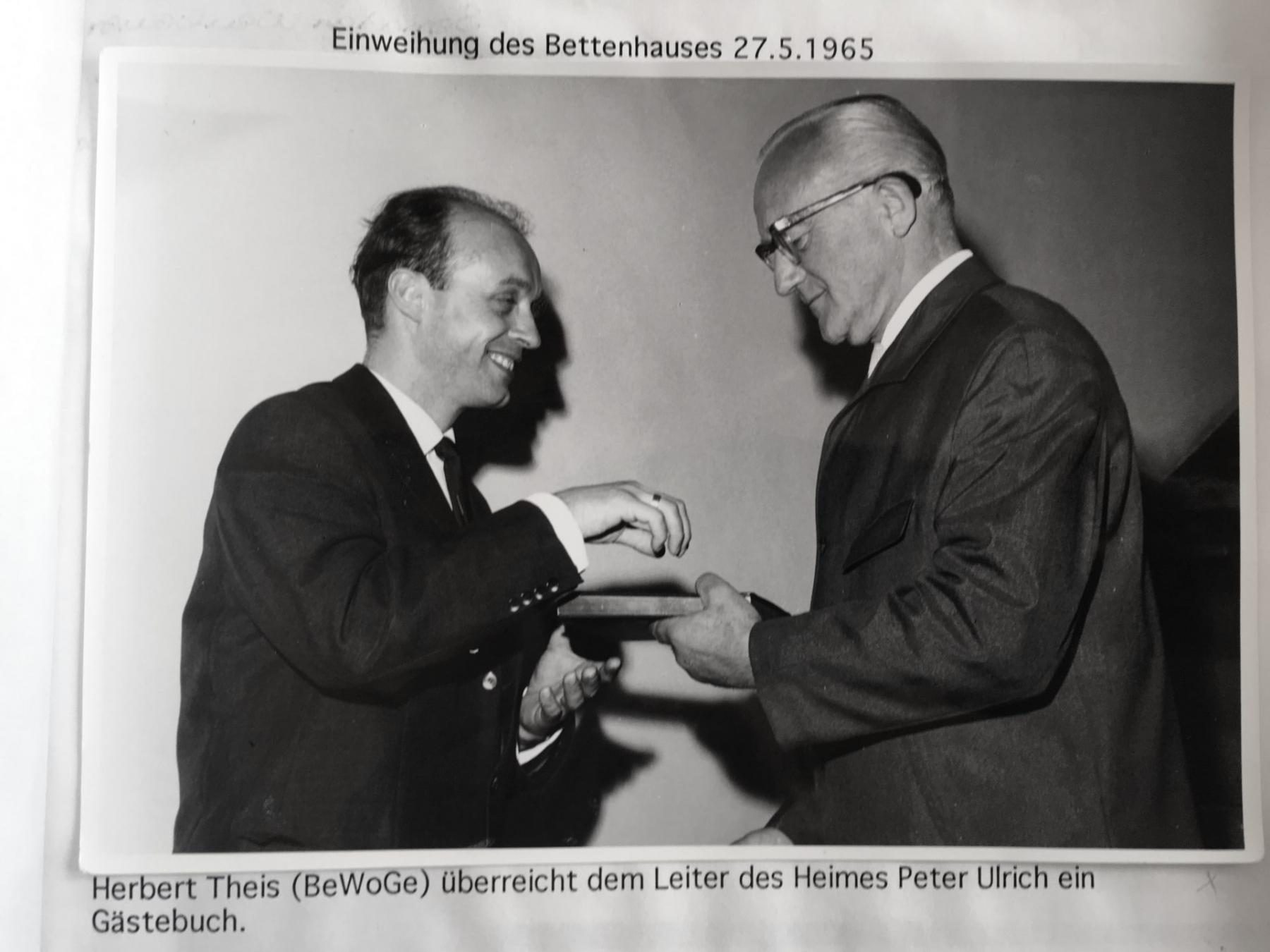
The opening of the new building marked a brilliant conclusion to the leadership of Peter Ulrich, who subsequently moved into state politics and rose to become Senator of the Interior and Mayor.

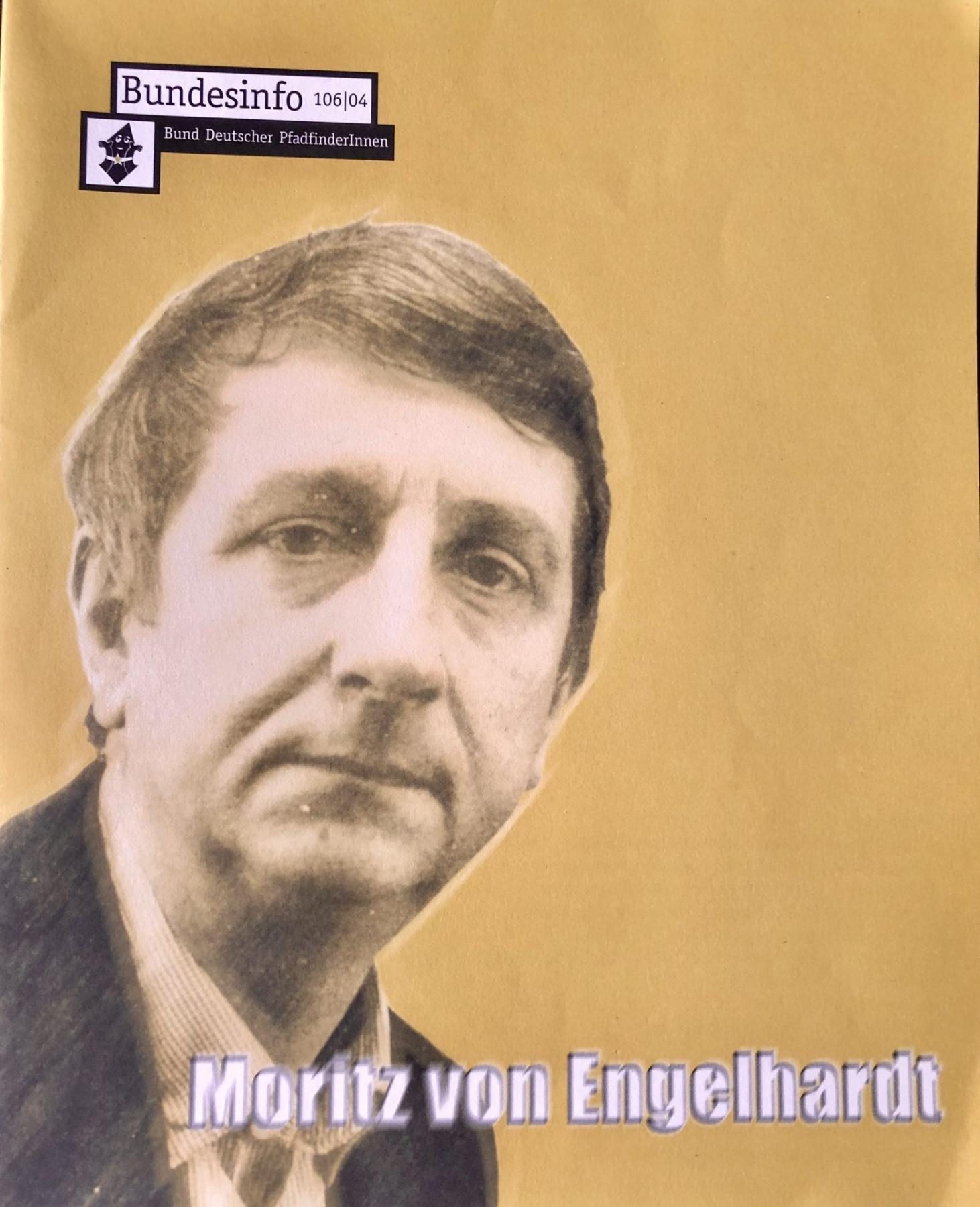
The new head and instructor for theater and literature will be the German studies scholar Moritz von Engelhardt. He is the Federal Secretary of the Federation of German Scouts and, through his work as an education officer in the Federation, has reliable contacts nationwide with colleagues with whom he shares a passion for cultural youth education, especially theater work.
In 1966 he received the Theodor Heuss Medal for the “Political Clientele” program he developed for working with young people.
In 1967, the board took over the sponsorship of the youth film studio in Kreuzberg from the Senate administration. The mandate was: "Development and testing of models for political education using media." Cameraman Falk Rebitzki became the director.
The 1968 student movement criticized bourgeois values as reactionary and was critical of all authority. In some parts of the educational community, "arts education" is now considered hostile to culture and technology, as Moritz von Engelhardt elaborates in his book "Board and Curriculum." The board discusses "what Wannseeheim really is" and emphasizes following the interests of the young people and engaging in open dialogue within the courses.
The political discussions surrounding new approaches to education have prompted Moritz von Engelhardt to demand academic training and a corresponding salary increase for lecturers. "The tasks have become more complex, and the professional and pedagogical demands have increased. The concept of extracurricular education needs to be re-evaluated."
The Red Army Faction (RAF) emerged as a left-wing terrorist organization that aimed to violently destroy the ruling system, which it considered fascist.
The vast majority of those involved in social activism were oriented towards various social movements: anti-authoritarian educational models, "sexual liberation" (Kommune 1), homosexual action, and the peace movement (Easter marches).
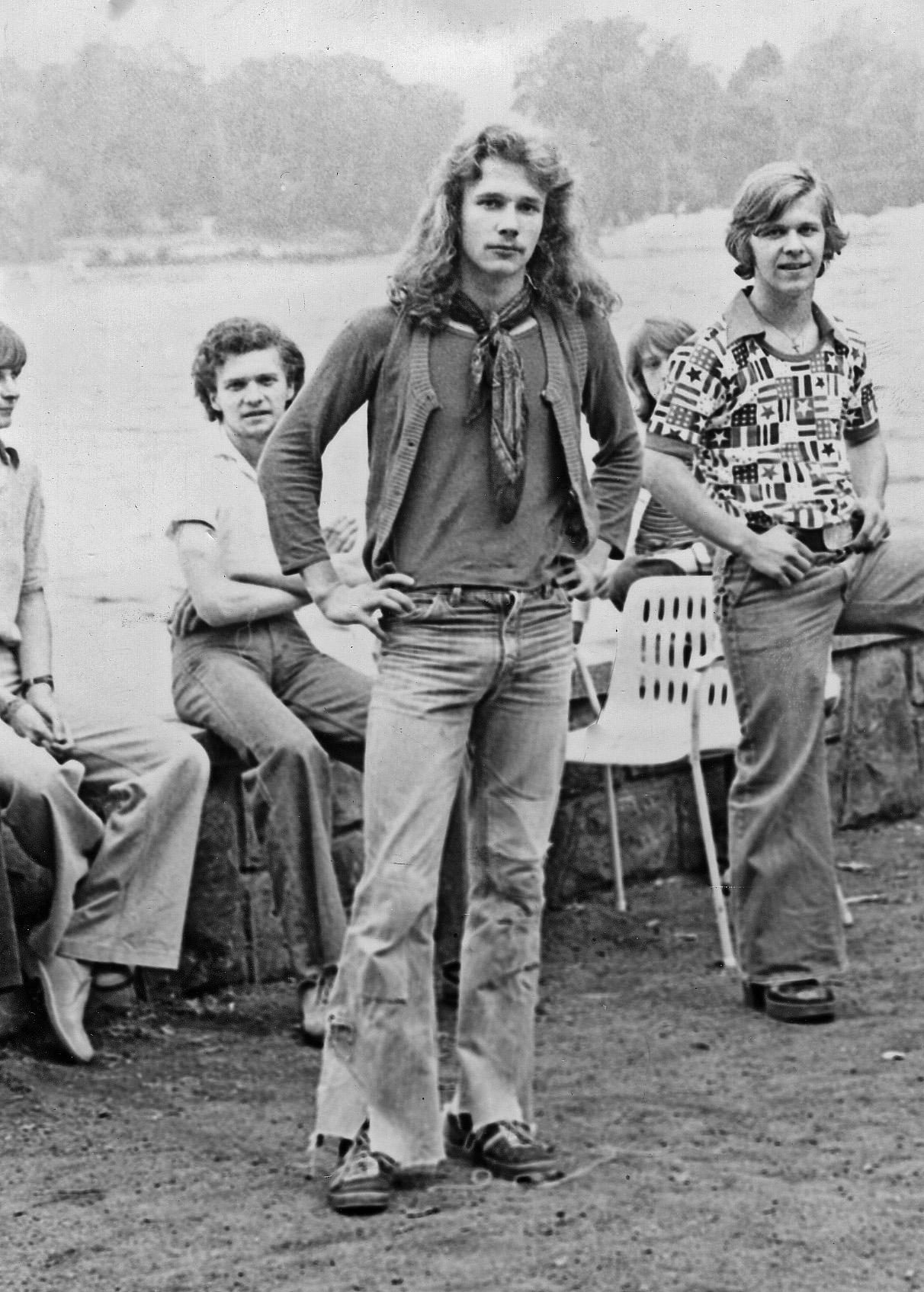
" emancipatory education" as a principle of renewed education, through which we could free ourselves from external and internal constraints. Proletarian youth were a previously neglected target group in extracurricular education. In school pedagogy, they were not considered a group worthy of attention at all—just like girls and young women.
An educational team is formed, comprised of social science lecturers who develop innovative seminar concepts. "Proletarian youth" become the focus of the Wannseeheim's educational efforts. Secondary school students and apprentices become the primary target group for its educational work.
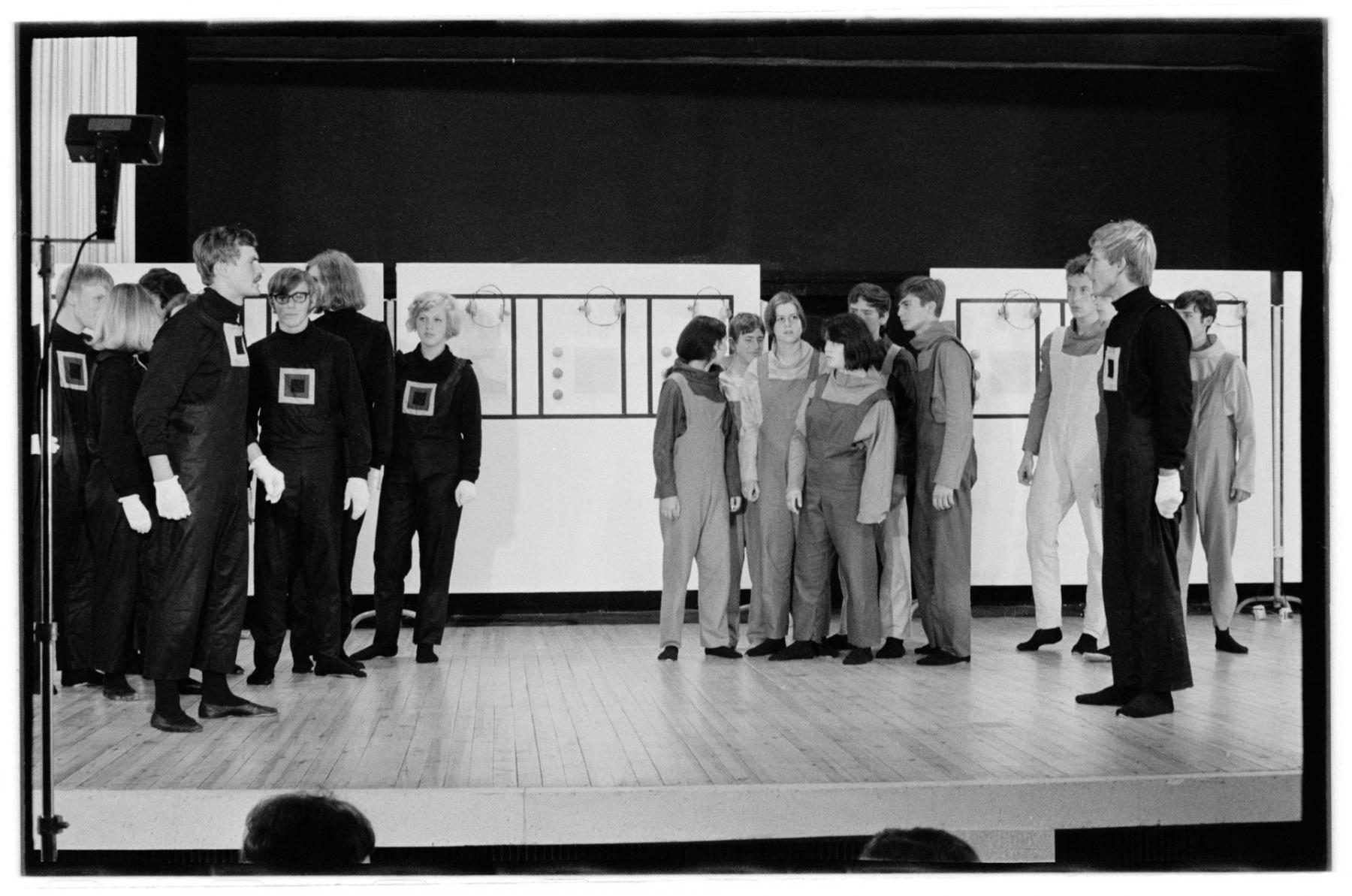
The theatre work is developing successfully from the collaboration with the Hessian Youth Centre Dörnberg and with Willy Praml, lecturer at the Dietzenbach Youth Education Centre:
- Political theatre in experimental “dramatic workshops”.
- Apprentice theatre based on Brecht's "didactic plays"
- German-French training courses
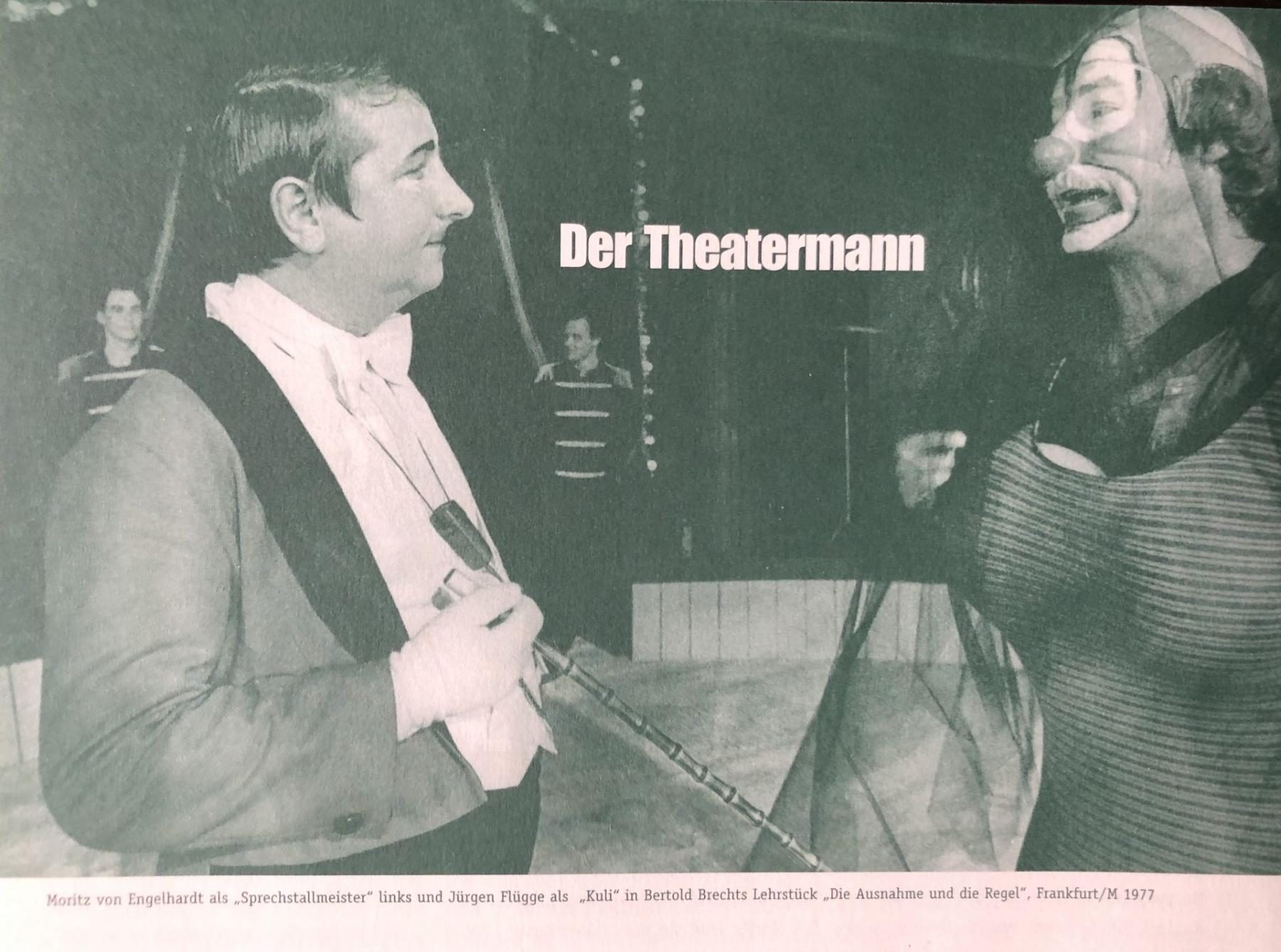
Willy Praml and Hansjörg Maier, theatre lecturer at Wannseeheim, jointly receive the “Brothers Grimm Prize” of the state of Berlin for their exemplary work in theatre education.
In the field of political education, new models are being successfully tested for week-long courses with 14- to 17-year-old students in close cooperation with dedicated teachers. Despite initial skepticism and political concerns, the diverse methods of extracurricular education are later incorporated into the school's project-based learning.
The board's willingness to open the Wannseeheim to new target groups, working methods and topics found its formal expression in a change to the statutes in 1972: Emancipatory educational work was now considered the purpose of the Wannseeheim.
Alternative socio-educational initiatives find a forum for further training at Wannseeheim: supervisors on adventure playgrounds, neighborhood initiatives from the new housing estates and initiators of shared living arrangements for young people.
Proletarian youth work, in both theory and practice, focuses unilaterally on boys. Girls are ignored as a secondary issue. In secondary school classes, boys are in the majority and the "machos" dominate, while the girls are mostly quiet and reserved.

For the first time, feminist educators are offering a girls' group in a summer workshop – with great success. This marks the beginning of their work with girls.
Until now, extracurricular education has maintained a considerable distance from school pedagogy, which it rightly distrusted. The WannseeForum was among the first to seek productive collaboration with mainstream schools.
From 1978 to 1980, the first pilot project additionally funded by the federal government took place: "Development of models for cooperation between schools and extracurricular education." With this, the school formally opened itself up as a partner for extracurricular education.

The youth film studio operates largely autonomously in Kreuzberg. From 1979 to 1984, it uses mobile video technology in its monthly neighborhood news program to try to improve local communication in this troubled district. The Federal Agency for Civic Education provides financial and content-related support for the project.
The Beutelsbach Consensus prohibits teachers, through the "prohibition of indoctrination,"from indoctrinating students in accordance with a particular political or religious position. Controversial positions must be presented as such.
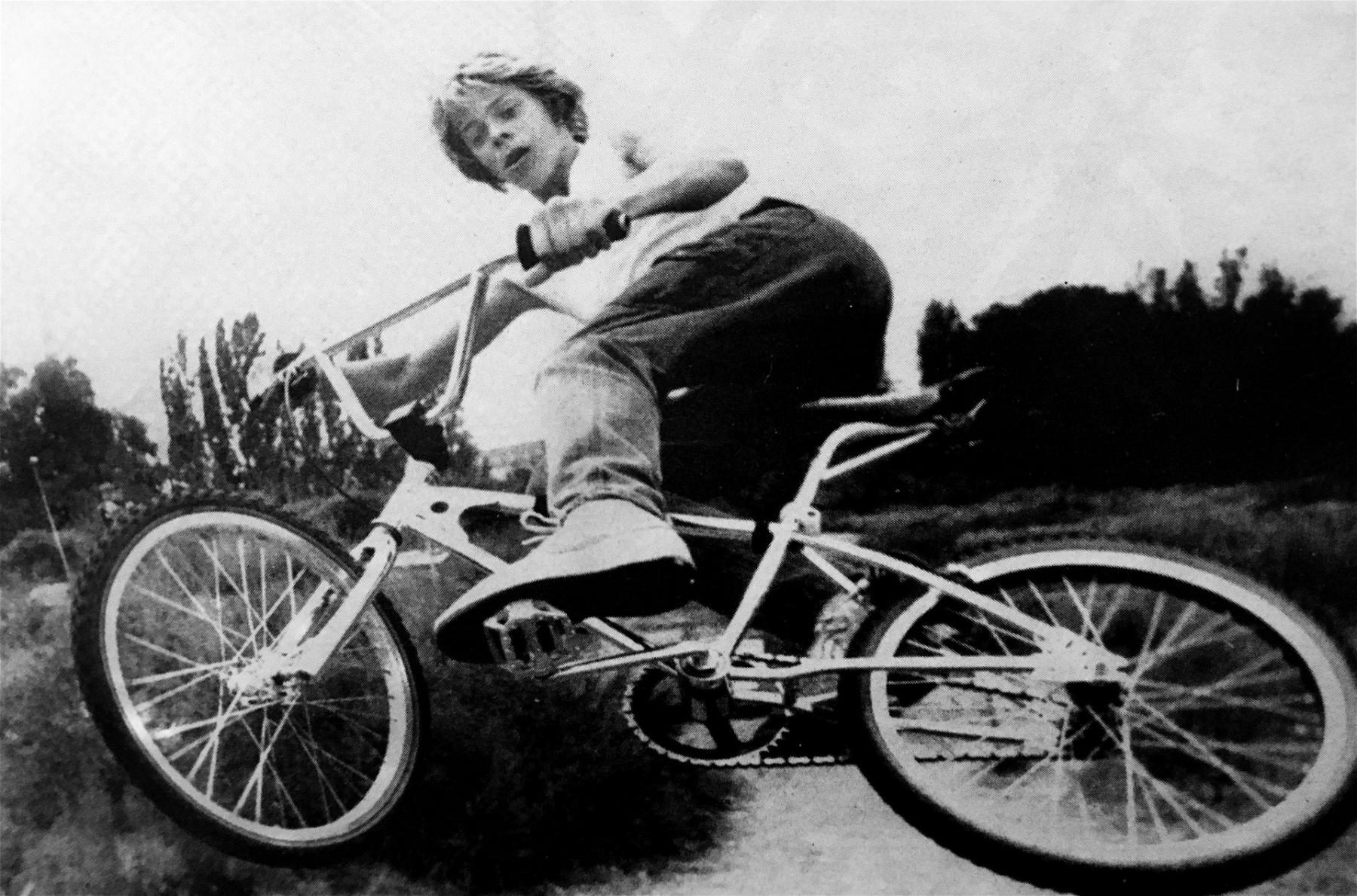
In the 1980s, political and cultural education initiatives spread from Wannsee to the central (working-class) districts of Berlin. Neukölln was a focal point.
1980–1984Cultural work with young people in the Köllnische Heide district, entitled "Cultural Empowerment of Young People in the Tension Between Uprooting and Tradition," funded by the Federal Ministry for Youth, originated from theater work. Subsequently, an attempt was made to continue the work through a public-private partnership.

1981 – 1986 “Girls’ work in the district”, one of the first girls’ meeting places nationwide, continued as “Cultural work with girls”, financed by the “Youth Brand Foundation”.
In 1987, the girls' club founded its own independent association and was able to continue working as "MaDonna Mädchenkultur" with funding from the Senate Administration.
The 6th Youth Report “On Improving Equal Opportunities for Girls” gave nationwide support in 1984 for the recognition of girls' work
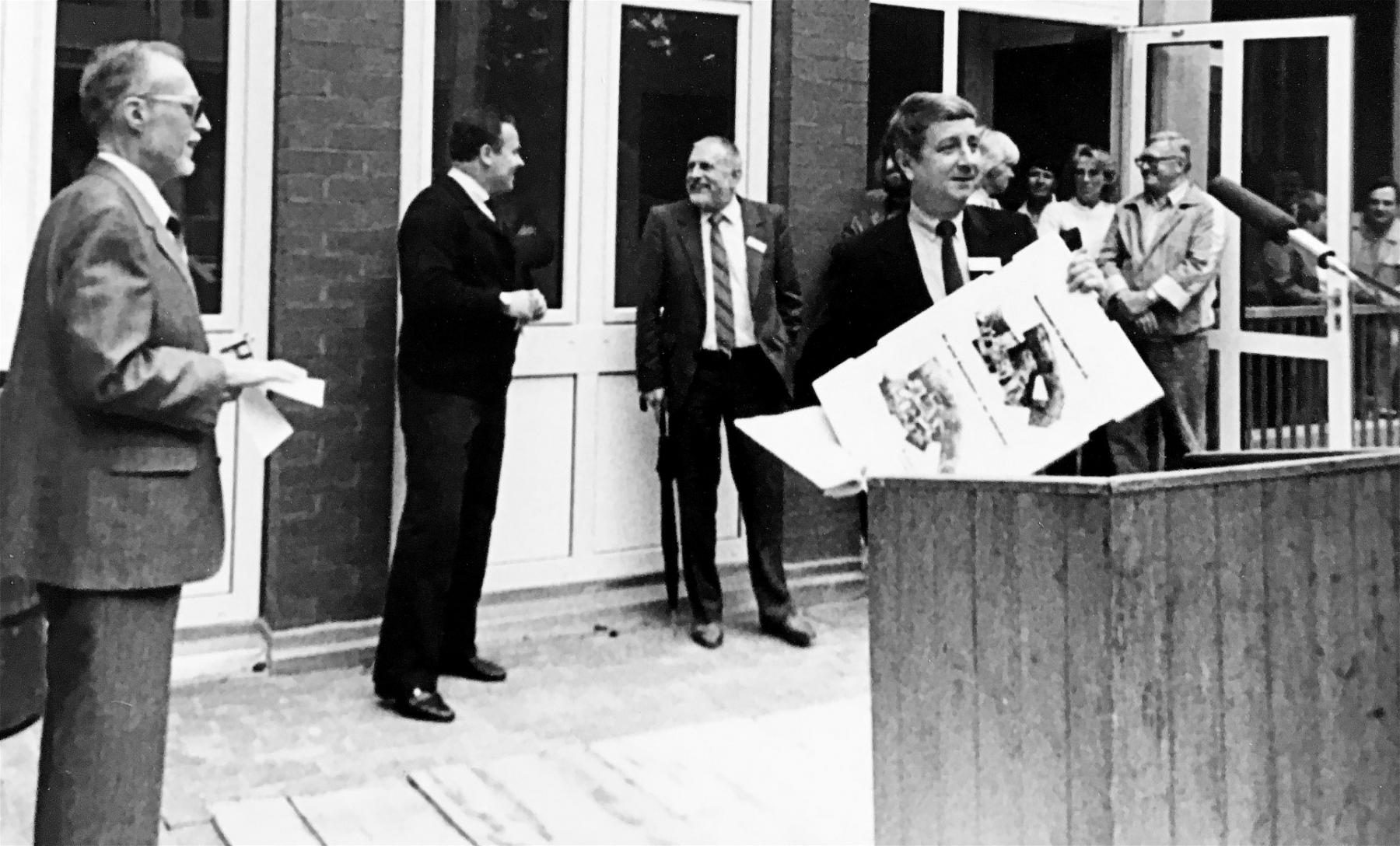
The new ATRIUM on the neighboring property, constructed with funds from the Berlin Class Lottery Foundation, has been opened. The association has been contractually granted the right to use the building and grounds. This includes not only expanded overnight accommodation but also additional specialized rooms for artistic work.
From 1986 to 1990, the pilot project "Eye and Ear," funded by the Youth Brand Foundation, tested the creative use of computers in the newly established, female-staffed arts department of New Media. This made Wannseeheim a pioneer of creative media work in extracurricular education.
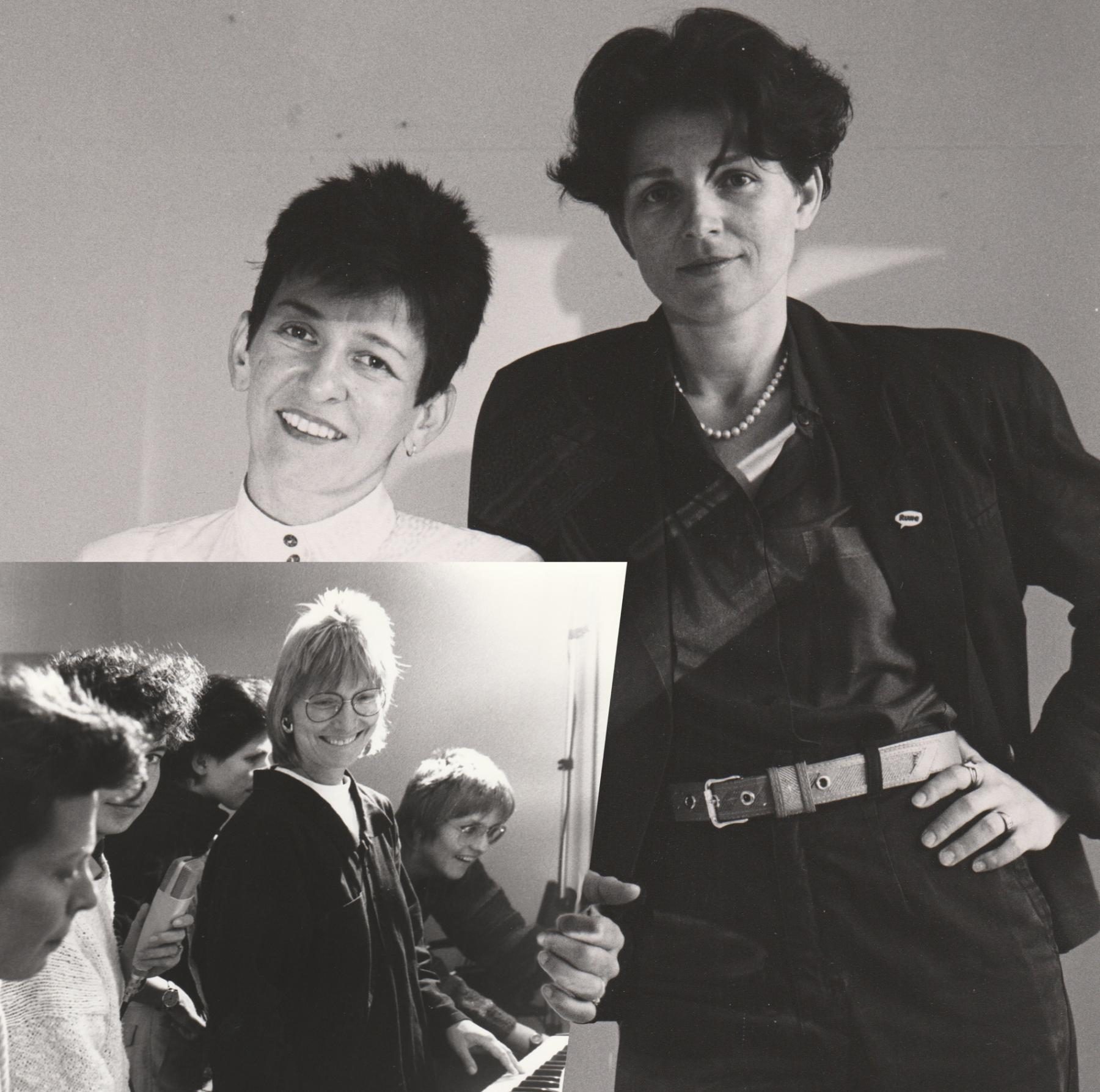
Differentiated work with girls and boys has now become a focus in the field of political education; personnel changes in the full-time team make this development possible.
Within the Association of German Educational Institutions (AdB), an independent commission on "Girls' and Women's Education" established. The annual professional development courses for female staff members at educational institutions are held in cooperation with the Wannseeheim.
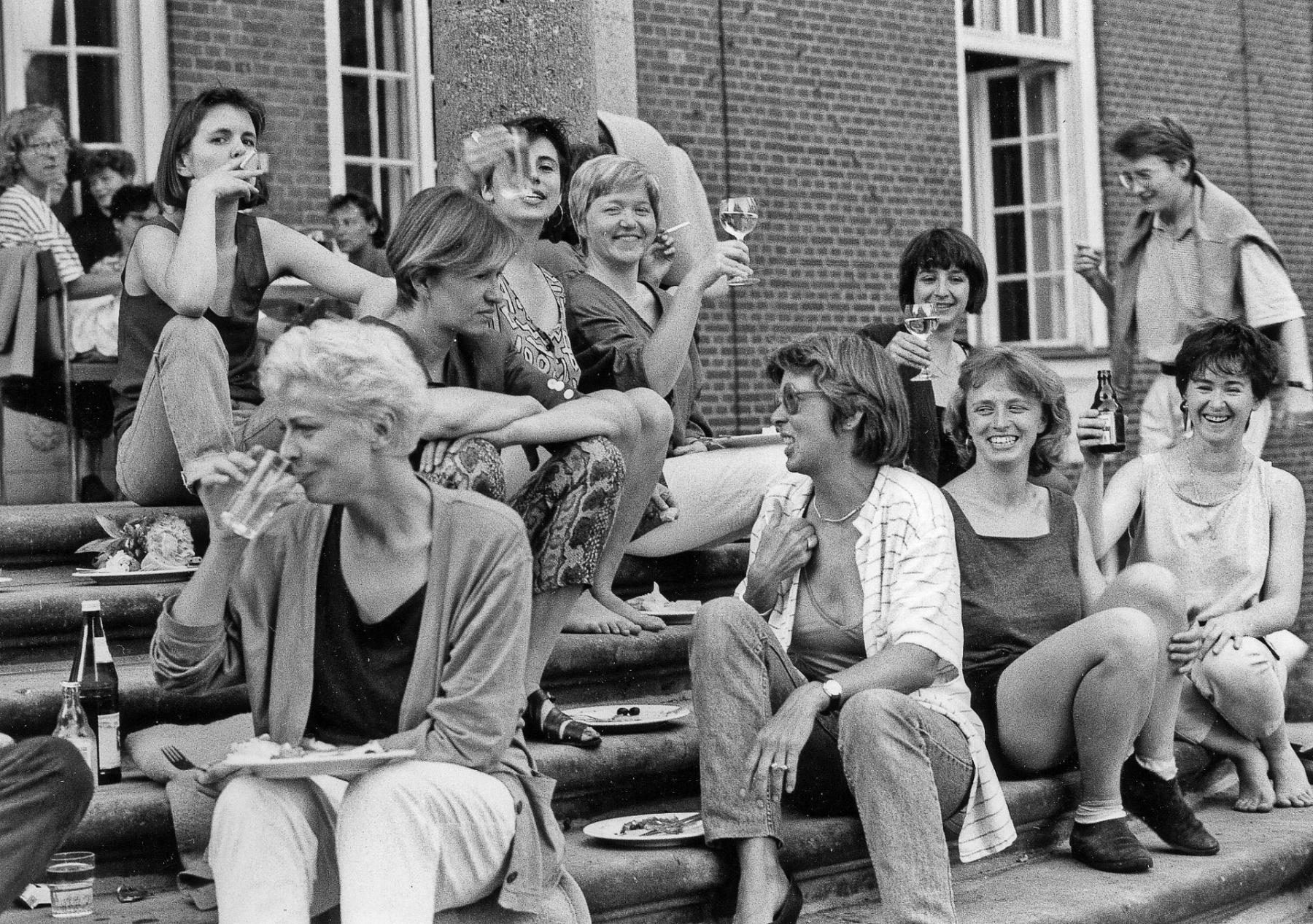
1986 First nationwide conference “Femininity as an Opportunity” as the beginning of a series of events with practitioners from girls' work that extends well into the new millennium.
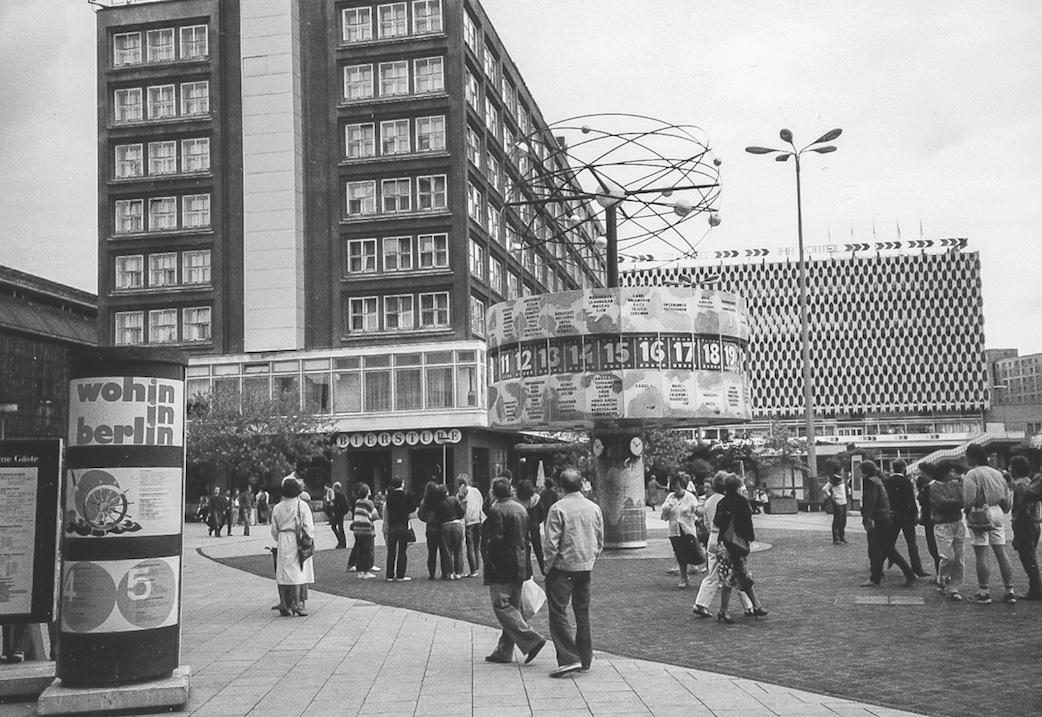
Moritz von Engelhardt was elected chairman of the board of the AdB and held this honorary position until his retirement in 2002. He championed the importance of political education, particularly in combination with cultural education, despite opposition. With German reunification, his goals gained even greater significance.
The opening of the German-German border thrilled both East and West. But the long road to true political, economic, and emotional unification is foreseeable. This means new priorities for working with young people and adults:
From 1990 onwards, West and East German school seminars were held for middle schools and high schools. The students worked on a theme in small artistic groups, guided by specialist instructors. The growing mutual respect is clearly evident in the final presentations of the young people.
For student representatives, Moritz v. Engelhardt developed the pioneering seminar format “Salt in the Soup” with the cross-class principle of student mentors – older students pass on their knowledge and experience to the younger ones.
In the area of further education, Wannseeheim, as a non-profit organization, offers courses that are financed through the employment agency using funds from the European Social Fund (ESF):
- Bridging courses: Qualification of social workers from East Berlin in a continuous series of week-long seminars “on equal terms”, further training of employees in women’s shelters in the state of Brandenburg to become social workers (the shelters only came into existence after the fall of the Berlin Wall).
- Professional development course “Youth cultural work in practice” with a focus on “Theater” for both social workers and artists with the aim of standardizing professional standards for the whole of Berlin.
The International Seminars and Artistic Workshops are opening up to Central and Eastern Europe.
1991 Founding of the German-Polish Youth Office (DPJW)
Since the 1950s, the Wannseeheim has been an independent institution receiving deficit funding, meaning that while it must generate as much of its own income as possible through renting out the building and raising additional funds, it receives basic funding for its core operations, namely its work with young people .
The Senate Administration is reducing the “independent organization” to a “project”, which will only receive subsidies for a certain number of seminar days with Berlin youth, the “state children”, and will not be entitled to equal financial treatment analogous to institutions in the public service.
Exhausted from the struggle for status and finances, Moritz von Engelhardt announces his resignation as director to the board. He intends to remain active only as a lecturer and honorary representative of the institution within the AdB.
Following his departure, an interim management team consisting of the board and administrative staff served from 1996 to 1998. Economic efficiency became the top priority, while seminar work with young people was sidelined. Two positions in the educational team were eliminated. The commercialization was to be structurally secured, but this required the approval of the association.
On January 1, 1998, an operating company, "wannseeFORUM gGmbH/Wannseeheim für Jugendarbeit," took over operations. However, due to unresolved legal and financial issues, the members' meeting immediately decided to liquidate the gGmbH and reintegrate it into the association. The organization's original objectives were thus restored.
After reunification, the state of Berlin no longer receives special grants from the federal government and attempts to regulate its catastrophic budget deficit by cutting funding for "non-profit organizations".

The general meeting elected a new board with Heinz Blumensath as chairman. Gabriele Naundorf, a political scientist with many years of experience in leadership positions, was confirmed by the board as director. The new leadership established a consistent budget and financial structure.
Thanks in particular to Moritz v. Engelhardt's nationwide contacts, the Wannseeheim has become a successful FORUM for current youth policy events:
In 1997, in response to xenophobic attacks in Berlin and Brandenburg, and at the suggestion of Federal President Roman Herzog, the Federal Agency for Civic Education, in cooperation with the Wannseeheim, organized a dialogue between cultures, showcasing democratic projects and initiatives. These projects and initiatives were brought together and publicly recognized.
1999 Federal Youth Forum in the “House of World Cultures” as the prelude to the “Federal Assembly of Youth – 50 Years of the Basic Law” with the outgoing Federal President Roman Herzog as the main speaker for 1000 young people from all over Germany.
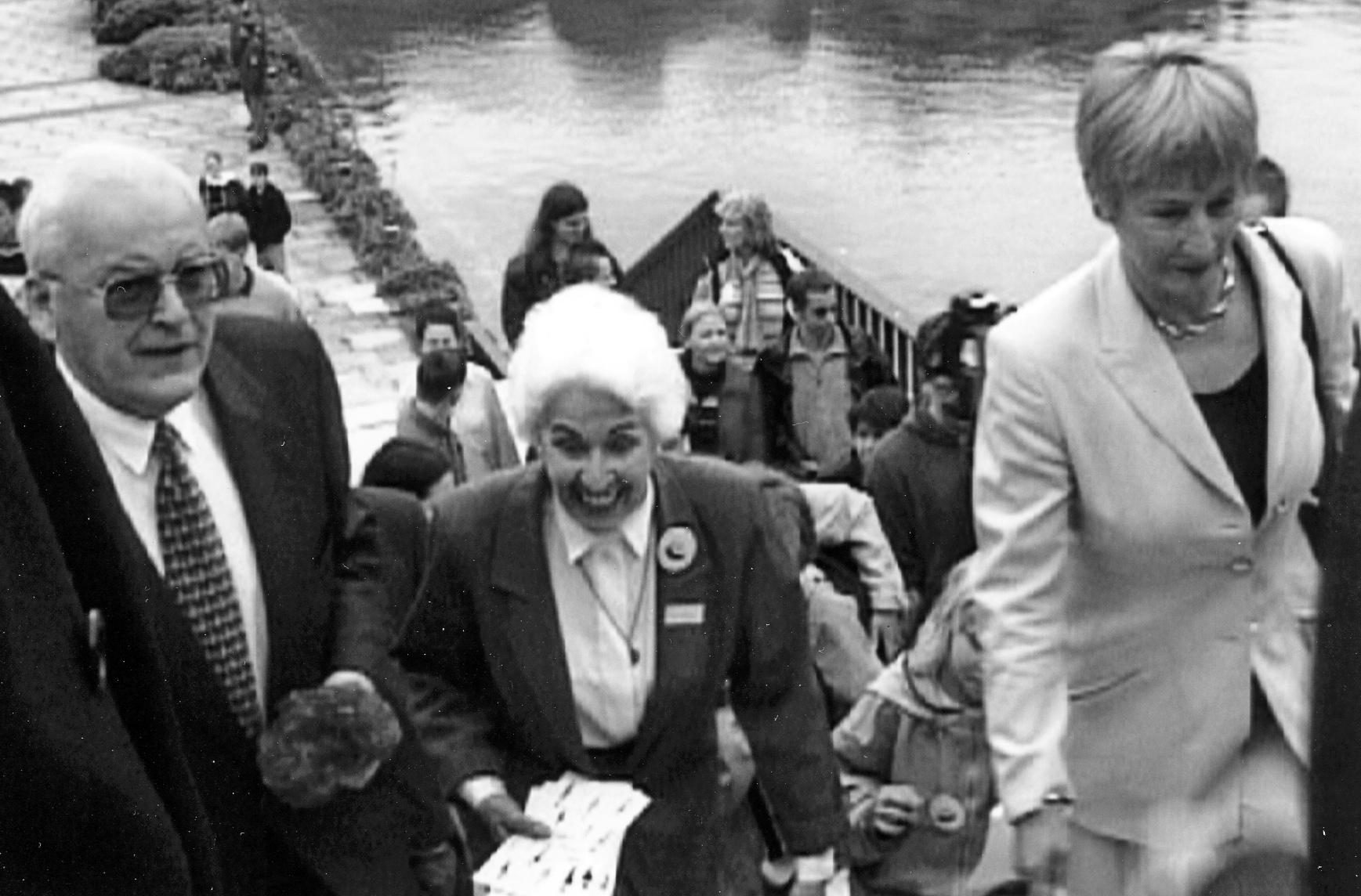
2000 German Youth Conference as part of the European White Paper process on youth participation, commissioned by the Federal Ministry for Youth. 90 young people selected as "exemplary" examples from various regional projects discuss their interests and how to assert them.
Youth participation will also become a central issue at the local level.
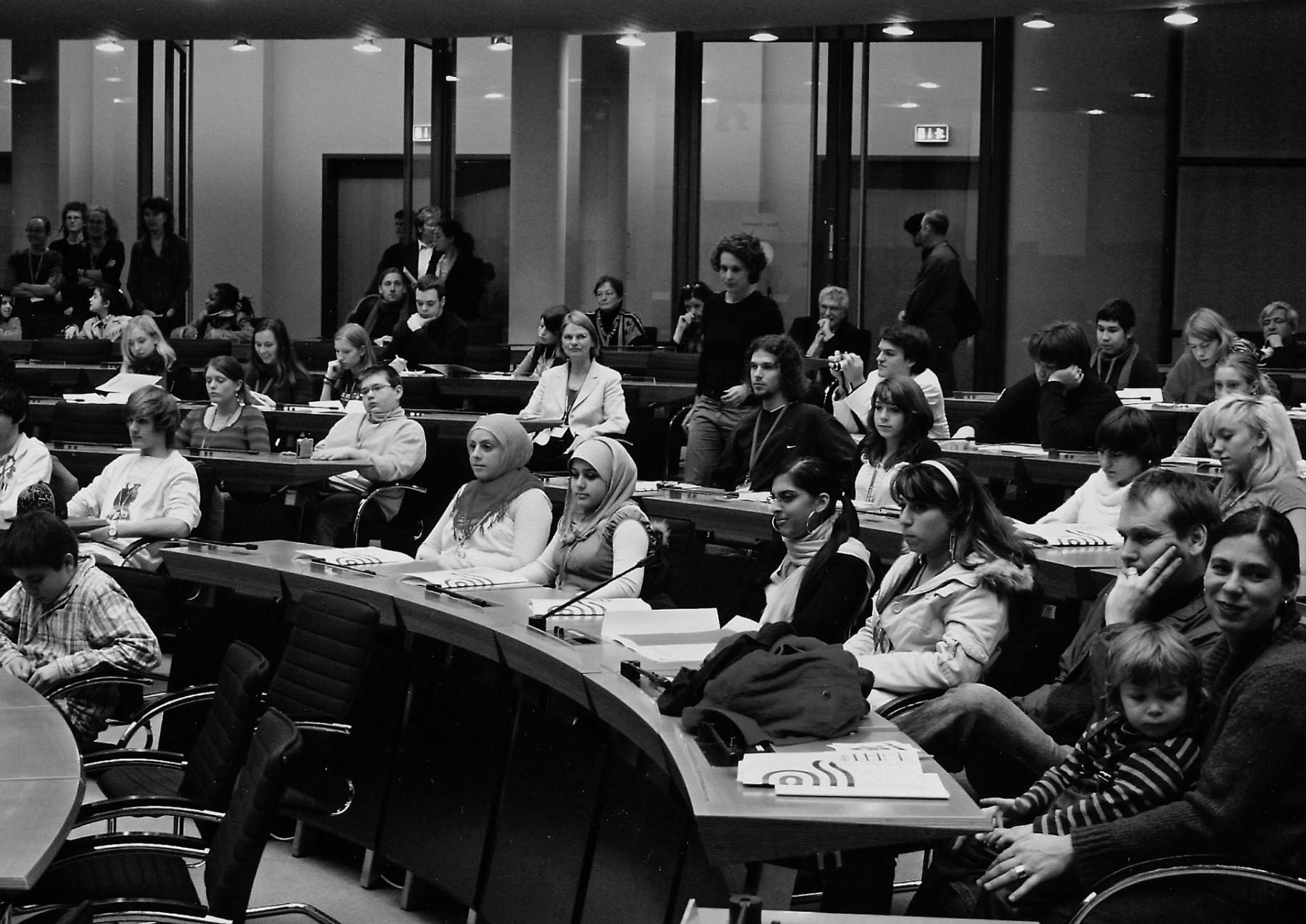
The Berlin youthFORUM tradition began in 2001 with its first event in the Gropius Bau. Later that same year, it moved to the opposite House of Representatives as a venue for dialogue between young people and politicians.
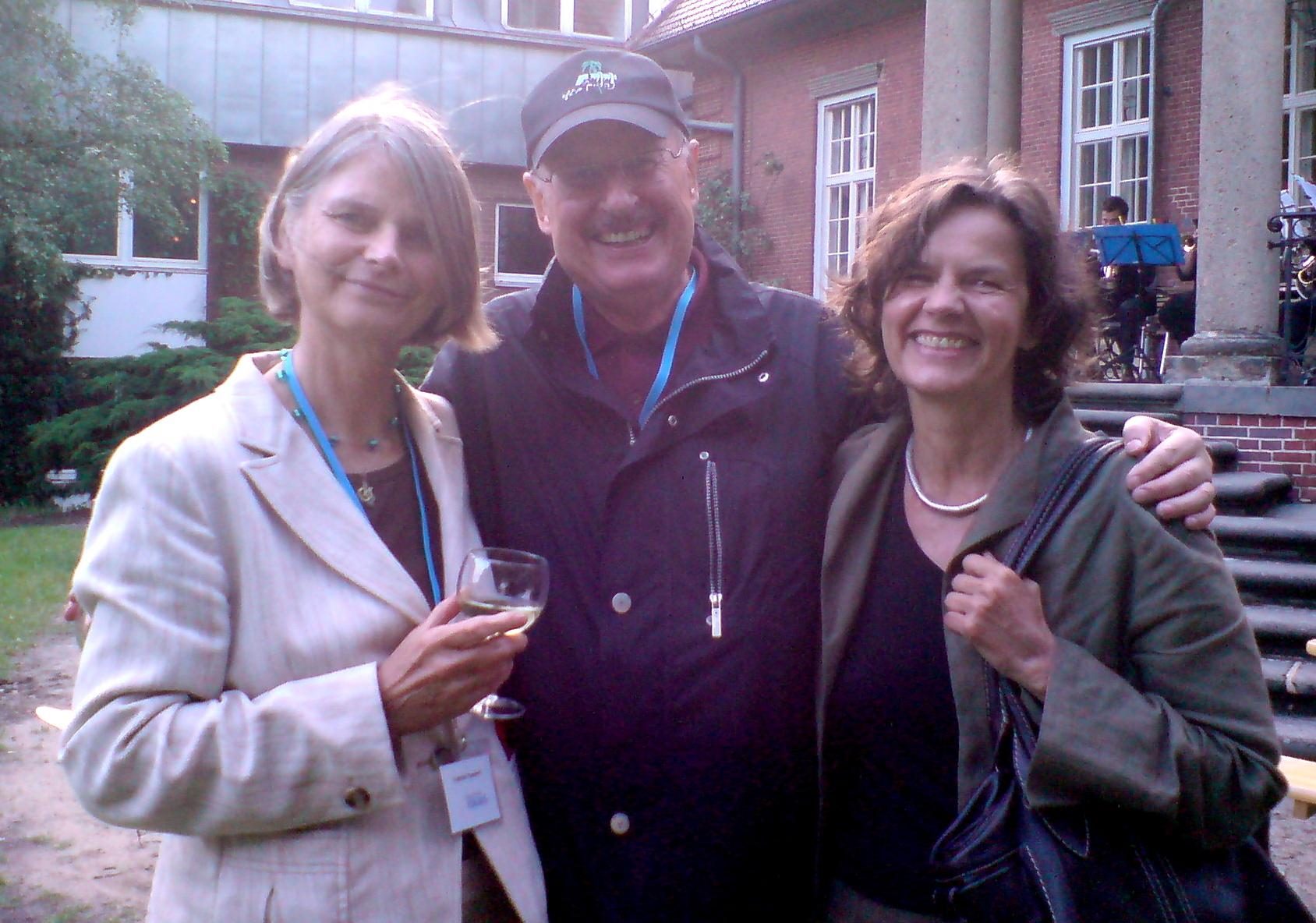
In 2001, Moritz v. Engelhardt received the Federal Cross of Merit for his services to political and cultural education.
Internally, the Wannseeheim – now called wannseeFORUM – has consolidated under the new management. From 2003 onwards, the main building, Kutscherhaus , and gardens of the "Villa Joerger Ensemble" will undergo extensive renovation by the architectural firm Anne Lampen .
The "Aktion Mensch" foundation is funding accessible features in key areas. The Klassenlotterie Foundation is following suit with the renovation of the ATRIUM , including the courtyard.
The property repeatedly attracts commercial interest. The organizational form of "association" is no longer sufficient to safeguard its long-standing ideal purpose as a youth education center.
In 2008, the association's general assembly cast its vote, allowing the modalities for establishing a foundation to be examined. The legal security of the "foundation" structure against external takeover was to be reconciled with the democratic opportunities for participation within the association.
by the members of the association “Wannseeheim for Youth Work” with a unanimous vote in favor of the legal form as an active foundation.
In the following years, wannseeFORUM was able to enter into new collaborations and strengthen international cooperation, particularly with Israel and France.
Dr. Roman Fröhlich, a political scientist, will become the new educational director in 2016 after a transition period.
A wide variety of formats are being developed in the areas of
- digital media and democracy
- cultural education, including in cooperation with the Komische Oper Berlin,
- Political education also in collaboration with new international partners.
The participants' feelings about life are reflected in topics such as diversity, inclusion, feminism, interculturality, the culture of remembrance, migration, participation, climate, co-determination in democracy, and peace in Europe. New methods of communication are explored.

The wannseeFORUM is the first educational institution in the German-speaking world to receive the "Council of Europe Quality Label for Youth Centres" certification from the Council of Europe.
In Memoriam:

Uta Denzin-von Broich-Oppert
Uta Denzin-von Broich-Oppert
* 30.11.1939 † 11.2.2026
We mourn the loss of Uta Denzin-von Broich-Oppert, who passed away on February 11, 2026, at the age of 86. Uta Denzin was closely associated with the Wannseeheim for Youth Work eV and later with the wannseeFORUM Foundation.
We remember Uta Denzin as a great enabler: She – mostly in collaboration with the director of the Wannseeheim Gabriele Naundorf – contributed to realizing milestones in the work with girls and women at our educational institution, both through her commitment to the content and through important financial cooperation.
Two milestones should be mentioned that took place here over decades and had a lasting impact on educational work – and which, as has been proven, always provided the participants with new ideas and unforgettable impressions.
These include – from 1980 onwards – the annual professional development courses for pedagogical staff from approximately 80 West German educational institutions, united in the "Working Group of German Educational Institutions" (AdB). Cultural and political topics ranging from "Rituals – Cultural Norms – Cultural Forms" to "Women in the Third World" were addressed, always reflecting the latest research in girls', women's, and gender studies, and sometimes employing unconventional artistic methods. Subsequently, the materials and methods could be adapted as seminar models for participants' own programs.
The prerequisite for this was the formation in 1979 of an independent commission for "Girls' and Women's Education" within the AdB (Association of German Girls and Women). Uta Denzin, both personally and as head of the state educational institution "Haus am Rupenhorn" and as a founding member of the AdB, played a key, energetic, and successful role in this, despite considerable resistance.
From 1986 onwards, she provided similarly significant operational, content-related, and "moral" support to a new, groundbreaking series of events at the Wannseeheim: the nationwide conferences "Femininity as an Opportunity," aimed at female staff members from autonomous girls' work and coeducational youth centers. These conferences brought together representatives of the developing field of women's and gender studies with practitioners.
The title was programmatic, as the aim was to highlight the strengths of girls and women and develop their potential – a departure from the previously prevalent "deficit approach". Under these auspices, the participants – initially from West Germany, and from 1990 also from the new federal states – were able to further their education, exchange ideas, and build networks.
Gabriele Naundorf, the organizer, writes:
“As an independent organization, Wannseeheim initiated the event series, but it would not have been possible without the financial and professional support of Uta Denzin von Broich-Oppert and her ‘Haus am Rupenhorn’ as a state institution. Until 2008, ‘the Wannseeheim’ became… a truly legendary place for women working with girls.”
(Gabriele Naundorf, From Wannseeheim for Youth Work eV to the wannseeFORUM Foundation, 2nd edition 2017, pp. 70 ff.)
Anyone who participated in these major conferences will remember how Uta Denzin always contributed personally and with substantial discussion contributions, and that she was always an important, knowledgeable and experienced inspiration and at the same time an impressive personality.
Uta Denzin was also institutionally involved in youth work at the Wannseeheim. She served on its board from 2005, and when the organization became the wannseeFORUM Foundation in 2012, she continued her work on the board until 2017 – a role she fulfilled with great dedication, competence, and wisdom. Even afterward, as a member of the board of trustees, she was a linchpin of wannseeFORUM; we could always count on her when it came to advocating for something or taking on tasks, whether it was preparing the summer festival, discussing how to deal with extremist parties, or organizing the bereavement café for Gabriele Naundorf. We could rely on her to take a stand when it mattered, while simultaneously acting in a conciliatory, compromise-oriented, and consensus-driven manner. Her cheerful way of identifying problems and finding solutions will remain unforgettable.
The idea of emancipatory and participatory youth education work was very close to her heart, and she was committed with conviction and enthusiasm to implementing it in the everyday life of the seminars and workshops of the wannseeFORUM.
Her commitment to democratic values was recognized in 2019 with the awarding of the Louise Schroeder Medal. This medal honors a person who has exemplified the political and personal legacy of Louise Schroeder in an outstanding way – a legacy that Louise Schroeder herself described as follows: “If I, as a woman, was able to fulfill a special task, it was to bring people closer together, to strengthen their aversion to dictatorship, and to help them as far as possible…” This was Uta Denzin: She brought people together and strengthened their fundamental understanding of democracy.
We are happy that we were able to work with her and travel with her.
Cillie Rentmeister, Sabine Behn

Hanna Biamino
* 12.11.1942 † 25.04.2025
long-standing member of the board of trustees of the wannseeFORUM foundation

Gabriele Naundorf
* 24.11.1943 † 25.03.2025
Long-time head of the wannseeFORUM Foundation
We mourn the passing of Gabriele Naundorf, who died on March 25, 2025 at the age of 81.
For decades, Gabriele Naundorf was the heart of the Wannseeheim for Youth Work e.V. and later of the wannseeFORUM Foundation. At a memorial café held at the wannseeFORUM, family members, friends, and professional colleagues shared memories and tributes: about her work at the educational institution, her commitment to emancipatory education for girls and women, her significance in youth policy, and last but not least, in remembrance of Gabriele as a supportive, caring, and constructively argumentative friend, colleague, partner, and supervisor.
Gabriele Naundorf was an outstanding figure in the German educational landscape and significantly shaped the education of girls and women in particular. For decades, she dedicated herself to the advancement of girls and young women and was a driving force in the development of concepts and projects that contributed to greater equality in society.
Gabriele Naundorf's professional career began in 1972 when, as an educational consultant at the Wannseeheim youth center, she pioneered the field of emancipatory girls' education, developing initial concepts for this approach. She created and led courses for girls that built upon their strengths and interests, imparting not only knowledge but also the self-confidence to pursue their own interests and find their place in the world. These courses were often holistic and inspiring educational experiences for the participants, combining lectures, excursions with interviews, visual arts, music, and dance. They frequently provided impetus for later professional and personal life decisions. Many courses were specifically aimed at secondary school students, a target group previously neglected in education, and sparked their enthusiasm for "foreign worlds" such as history or technology.
Gabriele Naundorf was a co-founder, both theoretically and practically, of girls' and women's education work in the Federal Republic of Germany. She contributed to ensuring that youth policy was not primarily policy for boys. And she provided essential impetus for the further development of this work in reunified Germany. Some important milestones include:
- Initially, the goal – arduous enough! – was to establish emancipatory concepts for girls' and women's education within extracurricular youth and adult education across Germany. The forum for this was the Association of German Educational Institutions (AdB), of which the Wannseeheim Youth Center was a founding member. In 1979, despite considerable resistance, a resolution was successfully passed within the AdB establishing an independent commission for "Girls' and Women's Education," providing significant support for the female educators in the member institutions.
- It was the AdB (Association of German Girls) that proposed Gabriele Naundorf as an expert for the expert commission for the 6th Children and Youth Report, "Improving Equal Opportunities for Girls in the Federal Republic of Germany," presented in 1984. She was appointed as one of the six members of the expert commission and was able to advocate for comprehensive political and argumentative support for girls' education in the Federal Republic. For the first time, the social and individual situation of girls was to be comprehensively examined and reported to the Federal Government and the Bundestag (Federal Parliament); in all five previous youth reports, youth had been virtually automatically equated with boys. Gabriele Naundorf knew recognized female experts for many of the topics covered in the 6th Children and Youth Report and successfully recommended them for expert opinions on these matters to the commission.
Topics included inclusion and migration, socialization and the world of work, girls in rural areas and in youth welfare, the image of girls in media, culture and history, the debate about coeducation and, as a particularly sensitive new topic, sexual abuse in the immediate social environment, in the family.
- In 1986, with the support of the Berlin Women's Representative and in cooperation with the Haus am Rupenhorn adult education center, and under the professional leadership of Gabriele Naundorf, the first of the nationwide women's conferences took place. These conferences were then offered annually at the wannseeFORUM until 2008. Under the overarching theme of "Femininity as an Opportunity," these conferences emerged as a unique forum for connecting the developing field of women's studies with the practical work of girls' programs. They took a clear stance against the deficit-oriented approach that reduces girls and women to the role of victims. The women's conferences also garnered considerable interest in the newly reunified Germany and attracted participants from German-speaking countries abroad.
It was Gabriele Naundorf's tireless commitment—from 1999 onward as director of the Wannsee Youth Center—that paved the way for the political recognition and promotion of emancipatory girls' education. Her influence on the German educational landscape was invaluable, not only in youth policy and educational theory, but also in the practical aspects of educational work. She was always open to new approaches and projects, provided they shared her core values of equality and self-realization. We always greatly appreciated her willingness to incorporate new (not just feminist!) concepts into educational work and thus integrate new perspectives.
Gabriele Naundorf's commitment to practical work with girls was evident, among other things, in the pilot project "Girls' Work in the Neighborhood," which led to the creation of the MaDonna girls' center in Berlin-Neukölln. Together with Gabriele Heinemann, she co-founded the center and served on its board for many years. To this day, MaDonna stands for intercultural community work and the empowerment of girls and young women.
Later, as deputy chair of the board of trustees of the wannseeFORUM foundation from 2011 onwards, Gabriele Naundorf demonstrated an unbroken passion for the issues close to her heart, even in "retirement." She continued to advocate for an open culture of debate and the discussion of social and political issues, particularly with regard to gender equality and the rights of women and girls.
As the author of the documentary "From Wannseeheim for Youth Work eV to the wannseeFORUM Foundation – 70 Years of Political and Cultural Education in 7 Stages" (2012), she bequeathed to us a significant piece of contemporary history. In it, she highlighted the achievements, the crises, but above all, the unique characteristics of this institution that have shaped its influence for over 70 years.
But Gabriele Naundorf was not only a tireless fighter for the rights of girls and women, but also a wonderful friend who enriched the lives of those close to her with her zest for life and her solidarity. She was always helpful and generous, whether caring for cats or readily lending her car for trips or transport. Her friendships were characterized by openness, respect, trust, and mutual support – values she lived not only in her professional life but also in her private life.
The death of Gabriele Naundorf leaves a void that will be felt throughout the German educational landscape and in the hearts of all who worked with her. Her life was a life of commitment to equality and emancipation, to the advancement of girls and women, and to the conviction that education is the key to changing the world. Her work will continue in the many projects she initiated and by the countless people who benefited from her efforts – especially at the wannseeFORUM, which she described as follows: "This beautiful place, outside the everyday routine of school or work, is perfectly suited to venturing into new ideas and, consequently, a new perspective." For decades, Gabriele Naundorf was the heart of this institution, its inspiring spirit, and its guardian of beauty.
We are grateful to have been part of her circle of friends and professional companions, and we will remember her as an enthusiastic and inspiring colleague.
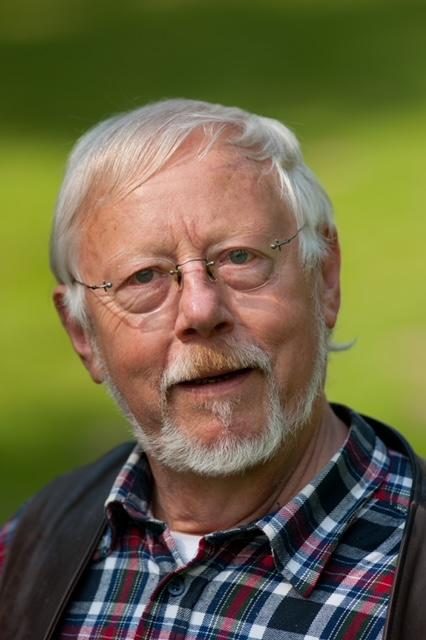
Gerd Teicher
*04.01.1945 † 29.04.2022
Coming from the Scout movement, he joined the Wannseeheim Youth Center in 1967 and supported its work for decades.
For many years, he served as a volunteer on the finance committee and as treasurer. With the center's transformation into a foundation, he assumed responsibility on the founding board of trustees.
With great energy and practical solidarity, he supported the vibrant and decisive implementation of democratic youth education not only with his advice but also with generous annual donations.
We remember him with great gratitude as a constantly present, humorous and supportive comrade.

C. Wolfgang Müller
* November 12, 1928 † April 21, 2021
C. Wolfgang Müller was actively involved with the organization for many years, providing advice and support – from 1965 to 2012 as a member of the Wannseeheim Association for Youth Work, and from 1999 to 2012 also as a board member. With the transformation of the association into the wannseeFORUM Foundation, he assumed the prominent role of the first chairman of the board of trustees.

Dr. Eberhard Grashoff
* February 11, 1928 † March 20, 2020
Eberhard Grashoff was a defining figure for the wannseeFORUM educational center. In 1951, he was one of the initiators of the association "Wannseeheim für Jugendarbeit e.V." (Wannsee Home for Youth Work), which he supported and helped shape from then on, serving as chairman of the board from 1986 to 1998.
Democracy and international understanding, especially with Poland, were the goals he championed in various ways, alongside his work as a journalist and, from 1976, as spokesperson for what later became the "Permanent Mission of the Federal Republic of Germany to the GDR." He also used his position in East Berlin to facilitate contacts between East and West Germany for the wannseeFORUM.
After the fall of the Berlin Wall, he became particularly active in Brandenburg and was a co-founder of the educational center
Schloss Trebnitz near the border with Poland.
Since 2011, he served on the board of trustees of the wannseeFORUM foundation.
Even in his advanced age, he discussed history with young people as a contemporary witness and always found their interest in his interpretation of post-war history.

Dr. Georg Landenberger
* 5.10.1952 † 9.11.2019
Since 1985, Dr. Georg Landenberger has been actively involved in the Wannseeheim Youth Education Center association, and since 1996 he has served on its board. He played a key role in the association's transformation into the wannseeFORUM Foundation, shaping its future-oriented and emancipatory approach to youth work, and subsequently became involved in the foundation's board and advisory council.