


Smartphones orastute? Is the term "smart" (or "smartphone") suitable for describing the relationship between humans and technology? Does it reflect the challenges of dealing with new technologies and acting in digitally networked worlds? In December 2022, prospective educators explored these and other questions in the seminar "It's a #smart world – Living and Learning in Networked Worlds."
- Who or what is smart here when it comes to developing and using technologies for a constructive democratic coexistence?.
- What interests, power structures, and distribution structures are embedded in smart devices and applications?
- In which smart city do we want to live, learn and work today and tomorrow?
- How can we actively shape the discourse surrounding the digitalization of society, perception, communication, and action in networked worlds?
The resulting products, from the exhibition to the board game, are the outcomes of diverse research and discussion processes, which partly reflect/document these processes.
Please note that by clicking on the following images and links, data will be transmitted to Flickr.com , Audiyou.de and/or Vimeo.com . See the links to the privacy policies of these services and the privacy policy of wannseeFORUM..
Workshop: Creative Writing/Staging:
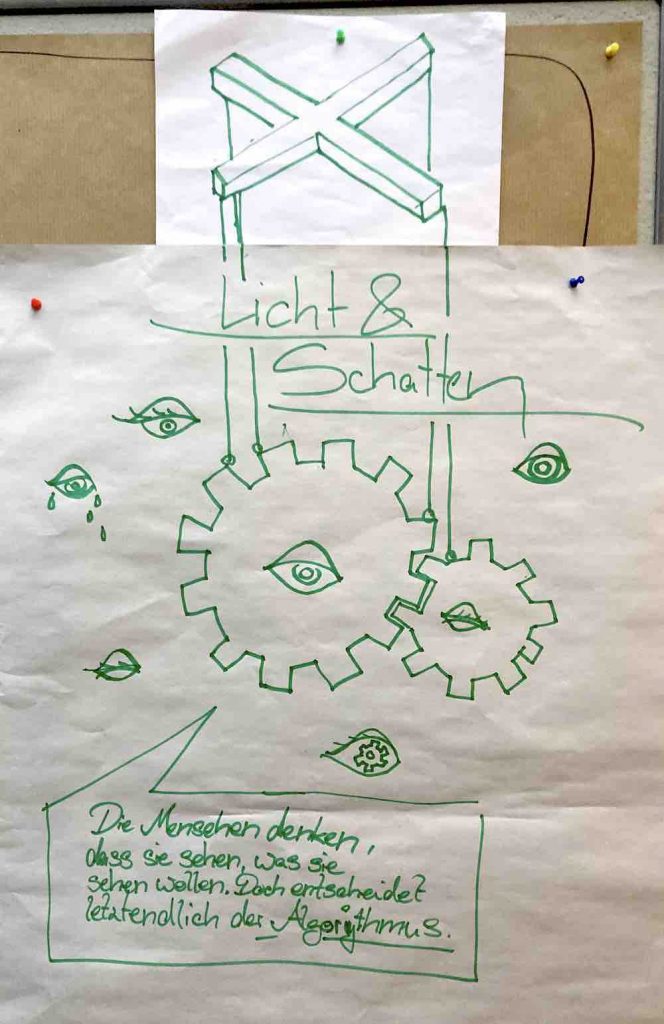
Emotions, empathy, and creativity define our human interactions. Smart machines are increasingly being trained to recognize feelings, develop social intelligence, and exploit it creatively—depending on the interests of their creators. Could machines even develop emotions themselves in the next step? Hollywood isn't the only one suggesting this: projections range from romantic partners to world domination, seemingly blurring the lines between humans and machines. Could smart toys become friends in the children's room? What training data, and thus potential stereotypes and prejudices, are inscribed into algorithms for bots and other devices, and thereby reproduced? Who is acting in accordance with whom, and who is smarter and more—human or machine? The participants developed their own texts on these topics and presented them in a final presentation.
Some are available for publication here: Download pdf (approx. 550 kb)
Workshop: Analog black and white photography
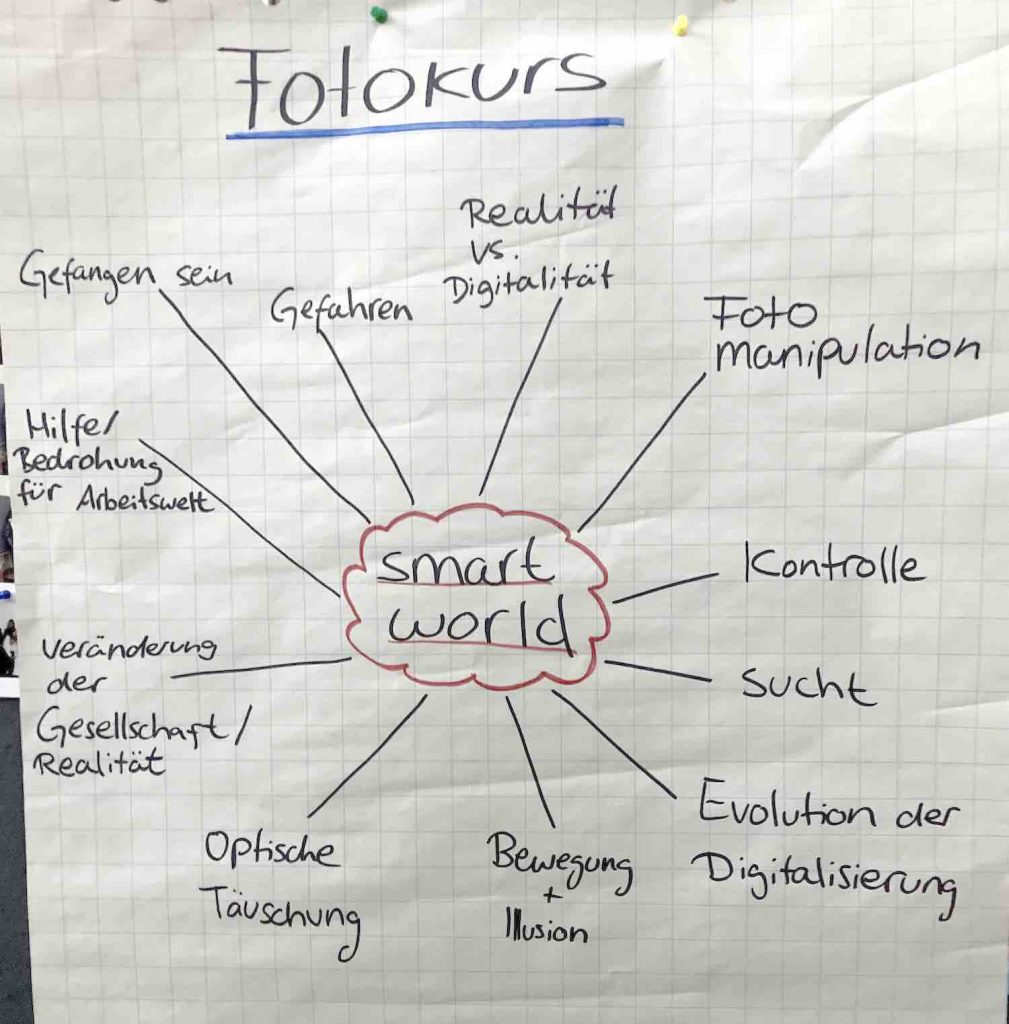
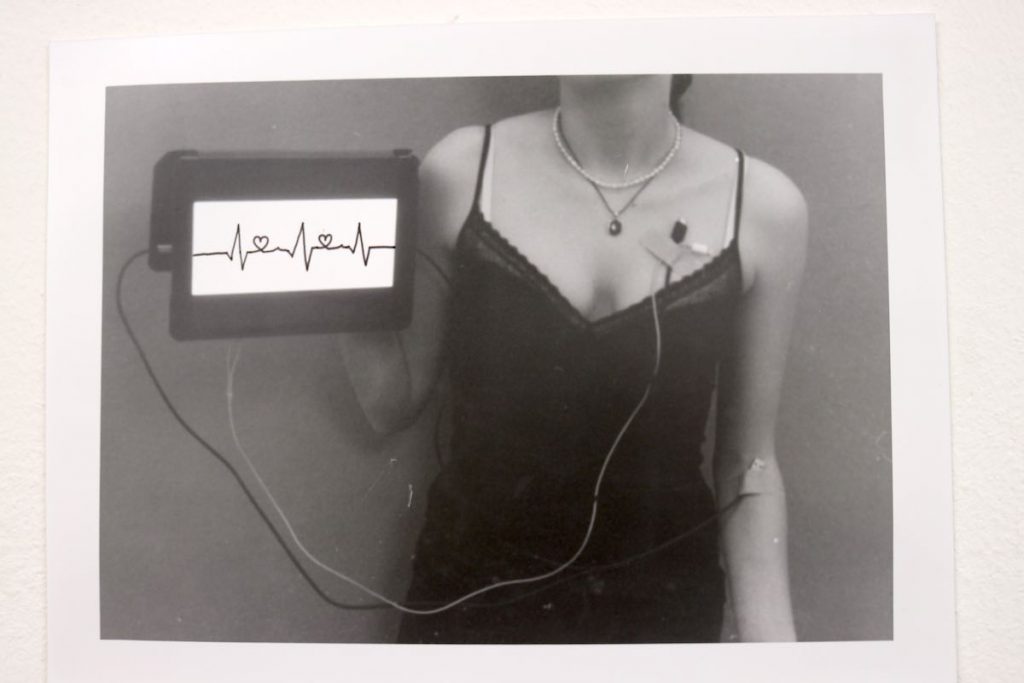
Our understanding of the world and the formation of opinions are strongly influenced by the perception of images – both offline and online. Smartphones are devices for consuming and producing images, and algorithms are changing both. How do they alter our perception and interpretation of image content and our relationship to photographic representations as forms of documentation and communication? What impact does this have on the relationship between public discourse and truth in democratic society? Through their own analog image production, participants explored these and other questions and conceived image series. They presented their work (film and image development in the darkroom) in a self-curated exhibition under titles such as "Distorted World," "What Does the Smartphone Have That I Don't," and "Mobile Phone Virus," among others. Excerpts from the photographed exhibition can be viewed here as a PDF web file (approx. 3 MB/150 dpi).
Workshop: Analog Game Development

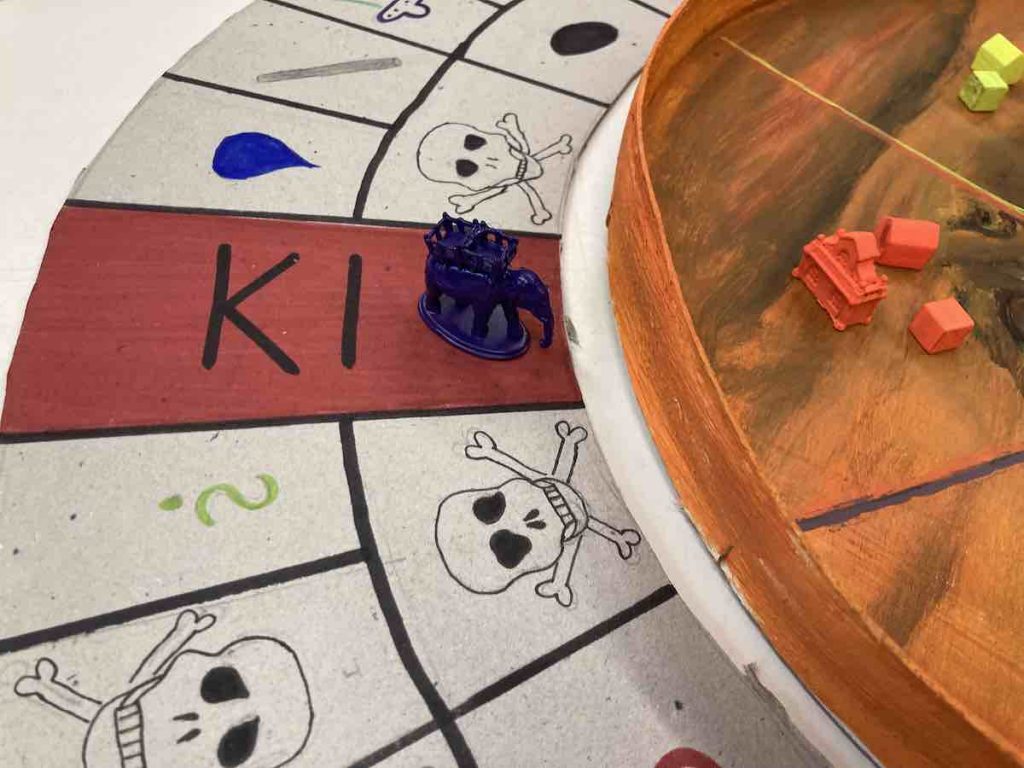
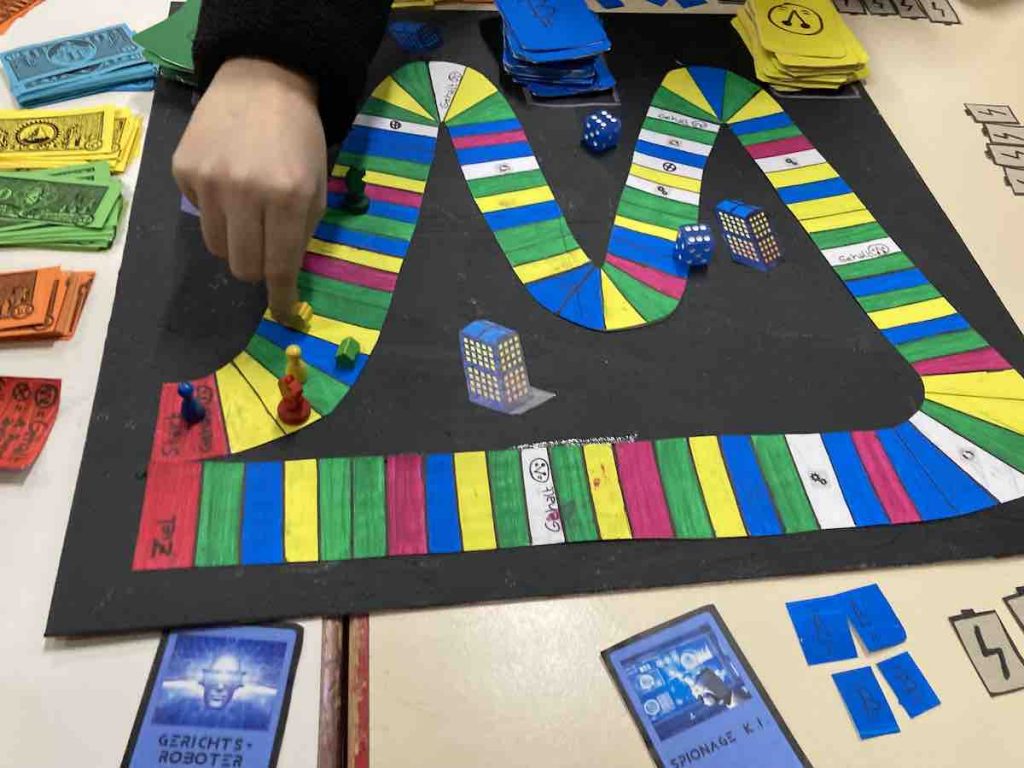
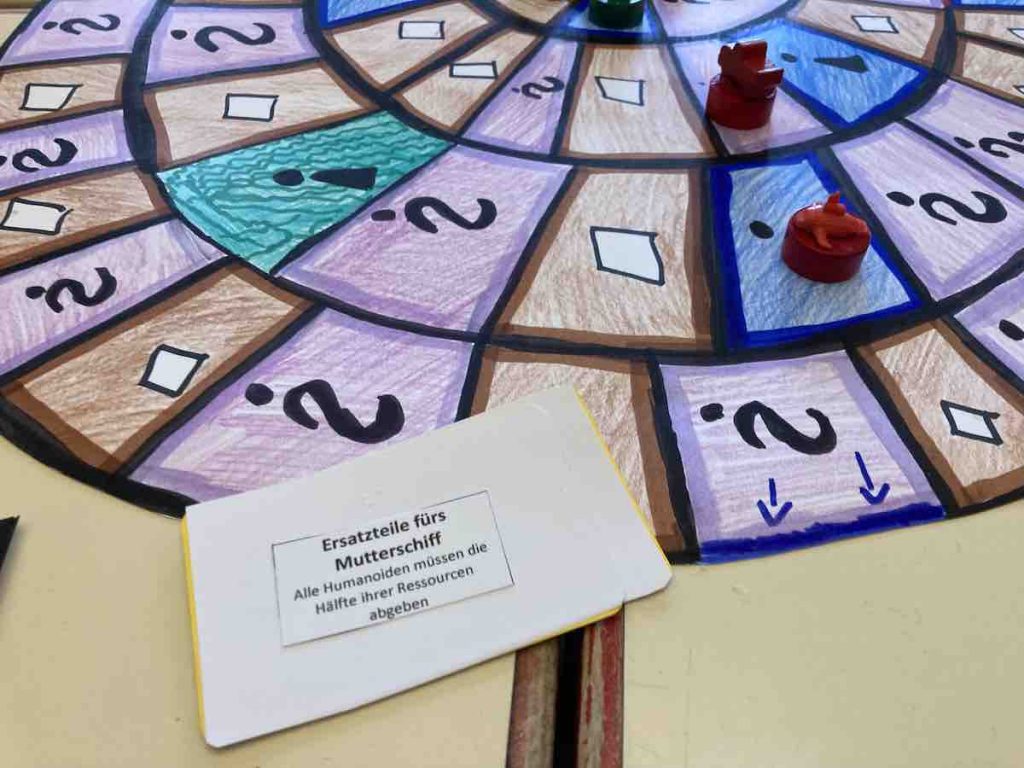
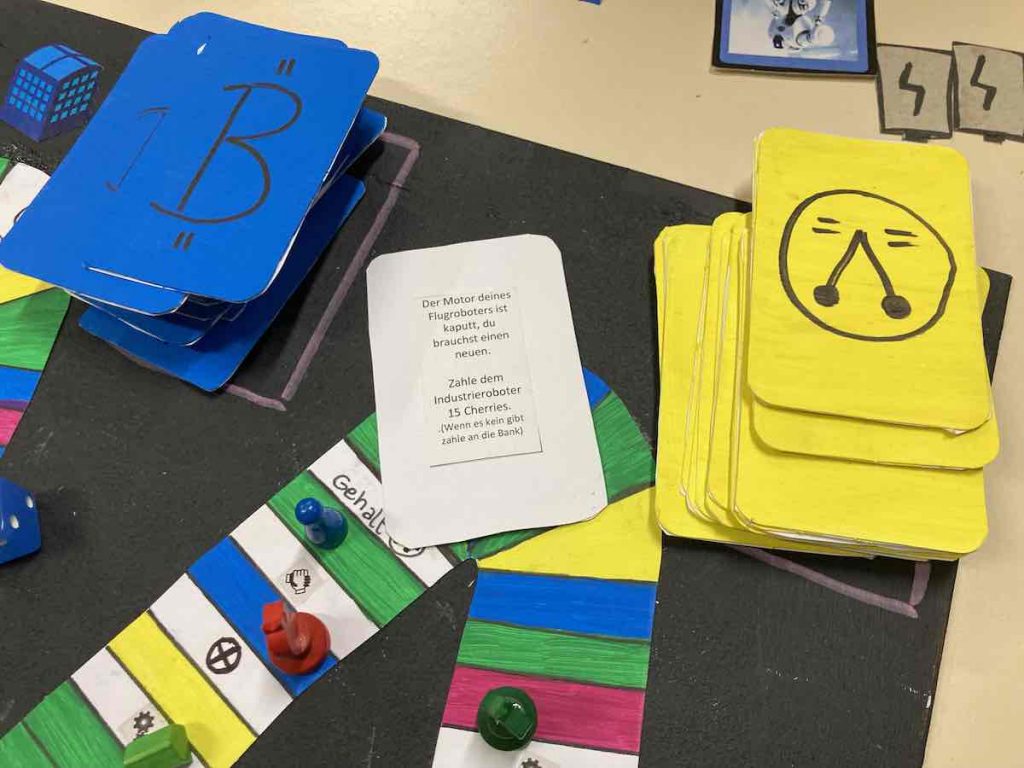
"Spare parts for the mothership: All humanoids must surrender half their resources" – not a seminar rule, but an event card from a self-developed game in which Earth is no longer sufficient. In the workshop, participants created board game worlds that encourage players to engage with a digitized future. Will future technologies make individual lives and society more efficient, technologically advanced, greener, and more socially inclusive? Using Bitcoin-inspired play money and "artificial intelligence" as a key player and theme, the resulting games explore scenarios both on and off Earth. In the final presentation, the development teams presented the creation process of the three board games they developed: "Modern City," "The Colonization of Mars," and "Cybergeddon," all featuring event cards focused on the theme of a digitized society, and invited everyone to try them out.
Workshop: RAP
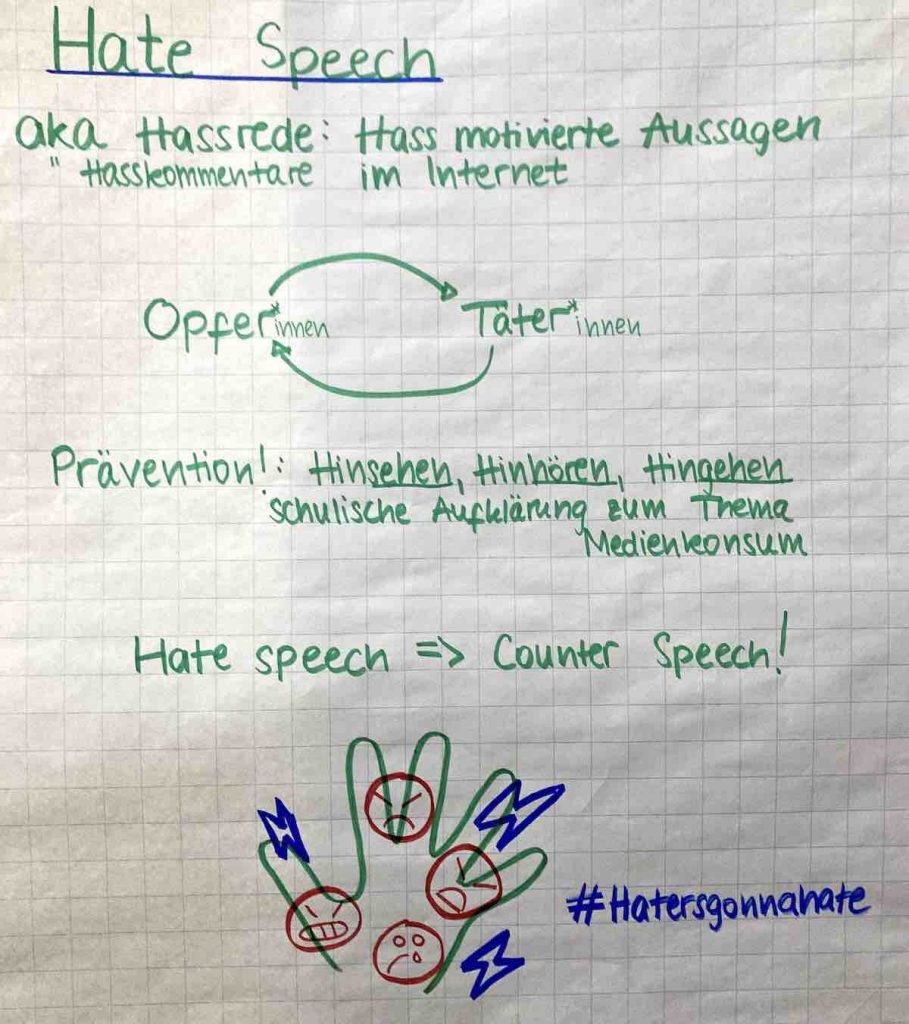
Social networks are part of our everyday lives. Unfortunately, hate speech is also part of this, where comments and posts are used to denigrate, attack, or incite hatred or violence against people. Who are the people and algorithms/bots behind this? What interests and goals are being pursued? And what strategies can we develop to counteract group-based hostility? Especially in educational professions, the challenge lies in teaching children and young people how to act responsibly and reflectively according to democratic principles in the online communication and action space. In the rap workshop, participants explored the background of hate speech as well as strategies for teaching and acting democratically in networked worlds: how do we want to communicate and act in a digitized society while valuing diversity?
"...what if we change and do things differently and see the beauty in every person?" is the refrain of their self-developed rap song (for release in progress).
(The wannseeFORUM Foundation has been an official supporter of the Council of Europe's No Hate Speech campaign)
Workshop: Podcast
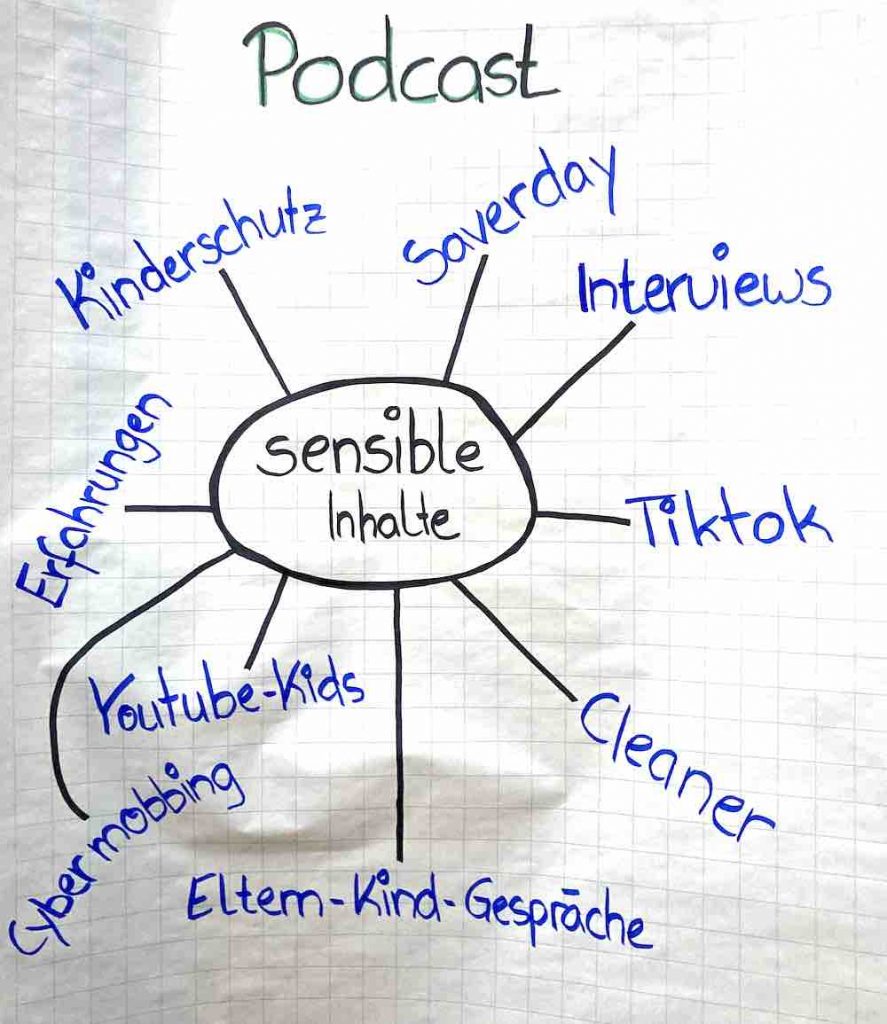
Podcasts have been an important audio media format for information, entertainment, and worldviews long before the Covid-19 pandemic and the associated lockdowns. Social media, from online dating to political opinion-forming, also seem to have played an even more significant role since the pandemic. Both are digital channels/media that illustrate the profound impact digitalization has on work and life every day. But what does it mean to work smarter, to live smarter? What are the associated effects—from psychological impacts to new opportunities or barriers to participation? In the workshop, participants explored a particular perspective on this: "Social Media – A Danger for Children" (00:32:35), includes a PDF with further information and sharing links.
*Photo above: From the Analog Black and White Photography workshop/see photo series by Marie-Sofie Walker
The seminar took place from December 5th to October 9th, 2022, as part of the "Political Youth Education in the AdB" within the "Digital Media and Democracy" , withparticipants from the Anna Freud School .
It was funded by the Senate Department for Education, Youth and Family.
The wannseeFORUM Foundation is a recognized partner of the Federal Agency for Civic Education.