
The workshop principle
We work according to the workshop principle. It has long been a central component of our educational work. A starting point for this is the ideas of Johann Heinrich Pestalozzi. He was an educator and reform thinker in the 19th century. He said that learning must involve the head, heart, and hand. The head represents thinking and reflection. The heart represents feeling, and the hand represents action or doing something. For us to learn effectively, all three must be in harmony. Only then can education succeed. John Dewey took up this idea. He was a reform pedagogue who lived in the USA from 1859 to 1952. His ideas continue to have a significant influence on our educational work today. John Dewey stated: We learn for ourselves and not for others, because we want to be free and self-determined individuals and to realize our full potential.
This is where freedom comes into play. Article 5 of the European Convention on Human Rights states: Everyone has the right to liberty and security of person. We have the right to self-determination and to act as we wish, as long as we do not infringe upon the liberty of others. However, freedom means something different to everyone. We always see the world around us from our own perspective, from our own point of view. Therefore, we need to talk to each other so that everyone can be as free as possible. Every time we do this, we gain new experiences and learn something new. This is precisely what happens in the workshops at the wannseeFORUM. Learning at the wannseeFORUM is therefore "learning by doing": Everyone contributes to the workshop, discusses it, and ultimately creates a joint result that they present. The different opinions of the participants must be reconciled through discussion. The more often this reconciliation takes place, the better it works. And over time, everyone learns to make the right decisions, even when faced with difficult questions—decisions that benefit everyone and exclude no one. This is also true in our free time at the wannseeFORUM. For example, if the evening program is planned and carried out together.
A seminar week at wannseeFORUM means gaining experience within a community and sharing that experience with others. All participants have the same rights and responsibilities. They learn how democracy works and what is important for each individual.
Learning works particularly well when head, heart, and hand are involved, when one can concentrate on a project and think of nothing else, said John Dewey. Moritz von Engelhardt, who was the director of the wannseeFORUM for many years, developed the workshop principle from this. He combined methods of cultural and political education. Learning about democracy works especially well through collaborative artistic work. Moritz von Engelhardt said the ideal learning environment for this is the artistic workshop. Four things are crucial here:
Creativity and imagination:
The workshop is all about inventing a new product. Imagination allows existing rules and habits to be transcended and left behind. New experiences are gained: the free-spirited imagination helps with this. However, realizing ideas and actually doing things differently in the workshop only works if everyone discusses and shares their thoughts.
Themes and Content:
The ideas that each participant contributes stem from their personal experiences, hopes, fears, or dreams. Their own perspective and experiences are brought into the workshop, becoming part of an exchange. Through discussion in the workshop, a solution is found for how to proceed with the product being developed. The personal becomes political – without anyone needing to be lectured or persuaded.
Individual and Group:
Each person contributes their own unique perspective. At the same time, everyone in the workshop works towards a common goal. When the relationship between individual freedom and group cohesion functions well, democracy is learned. Therefore, working together in the workshop is politically significant.
Public Impact and Relevance:
At the end of the workshop, the results are presented to others. The outcome can be a collaborative work or many smaller pieces presented together. It is important that everyone present—the audience, the workshop leaders, and the participants—discusses the work. In this way, everyone not only gains new experiences, but the workshop results also influence them and contribute to shaping culture within society.
Further information can here .
Impressions of individual workshop media in the slider below
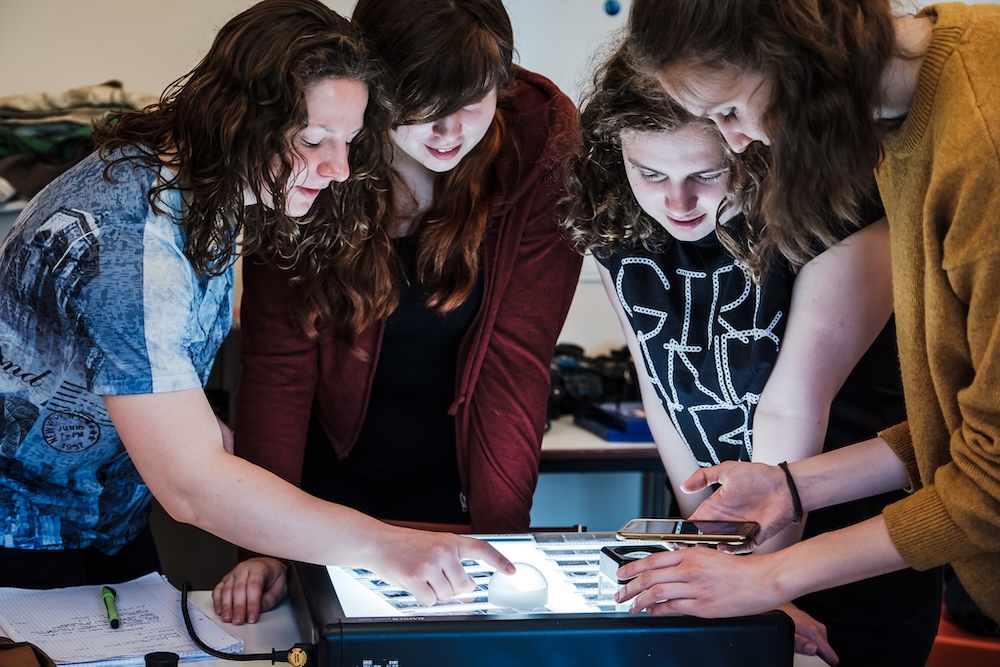
- Analog black and white photography
- Analog game development,
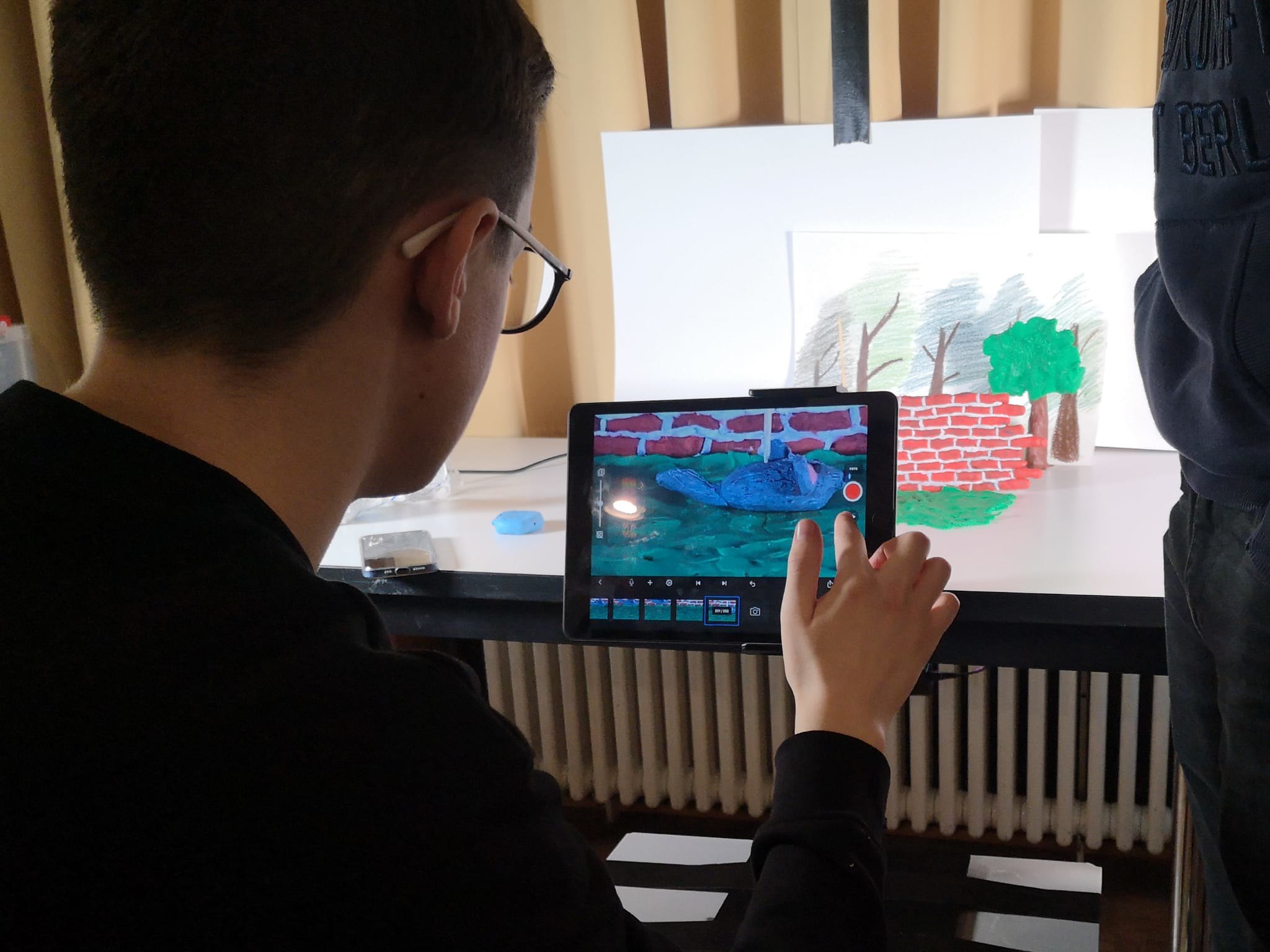
- Animation/Stop-Motion
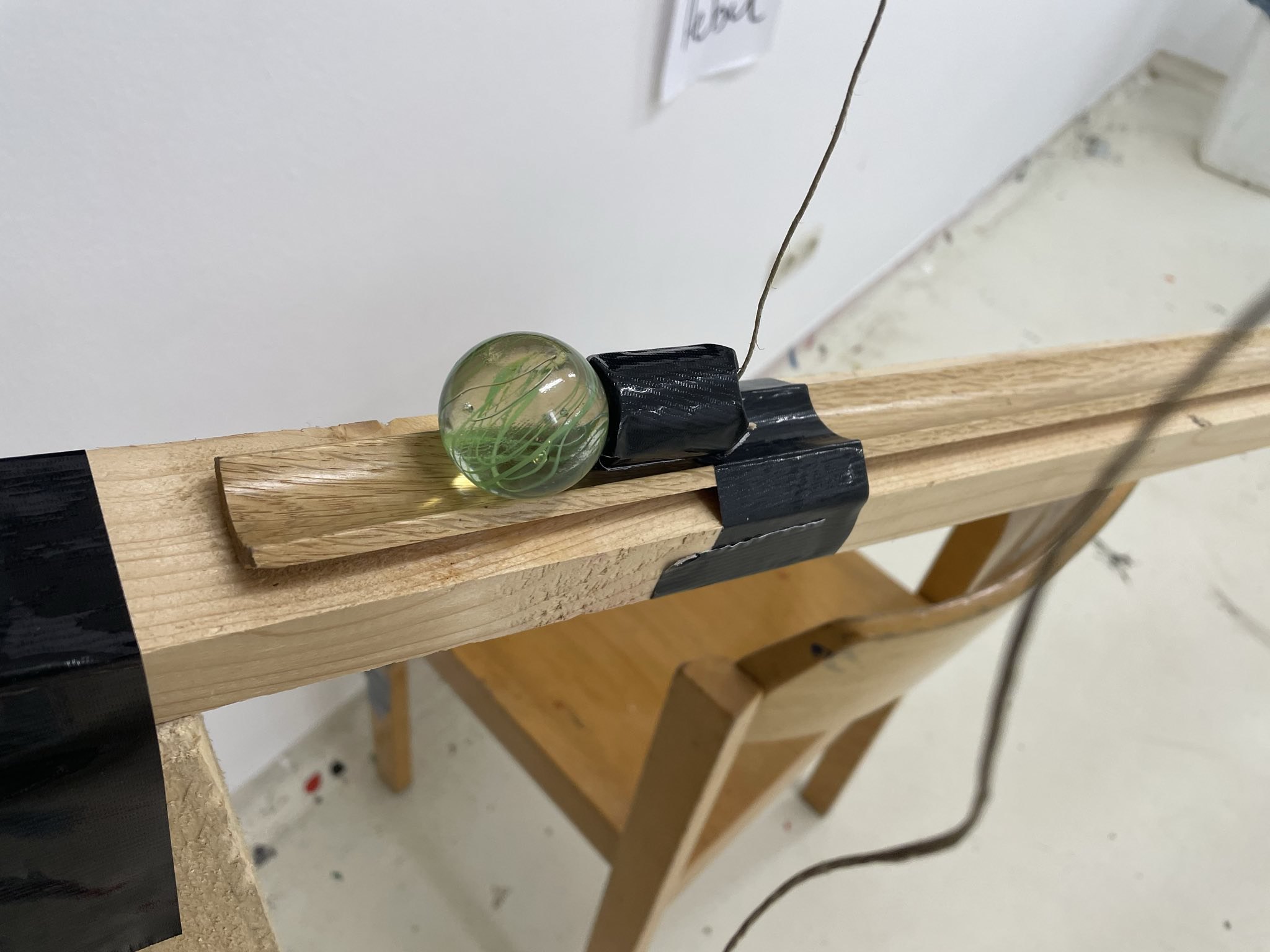
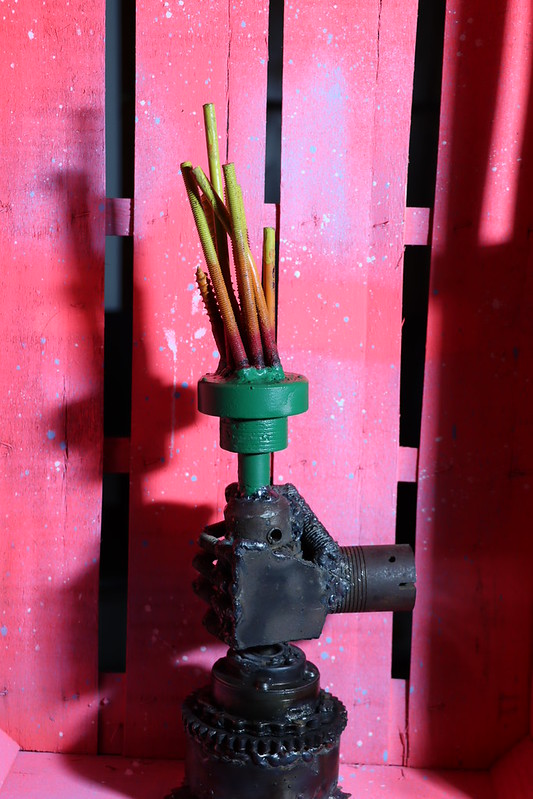
- Sculpture with wood, clay and other materials
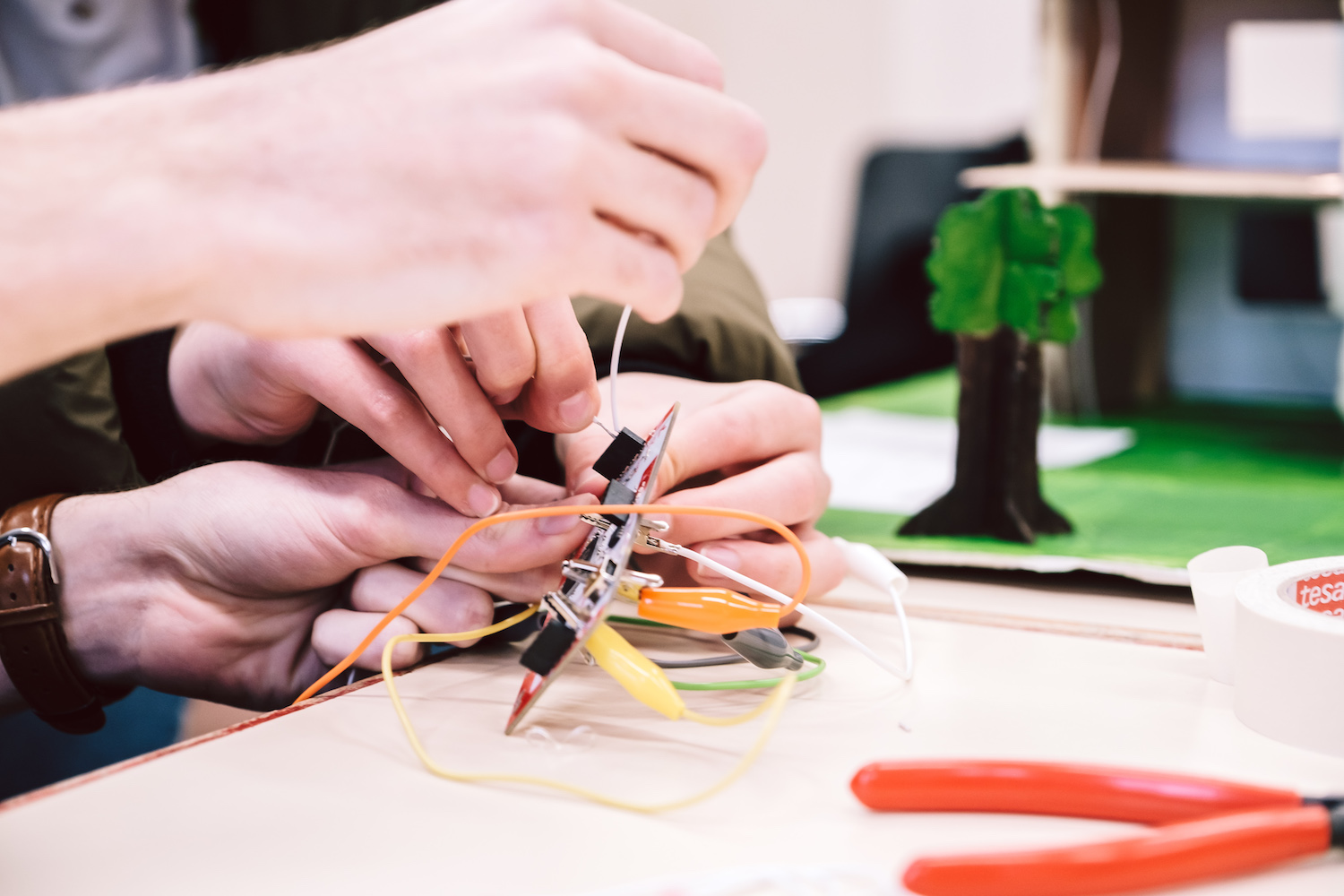
- Coding/basic programming,
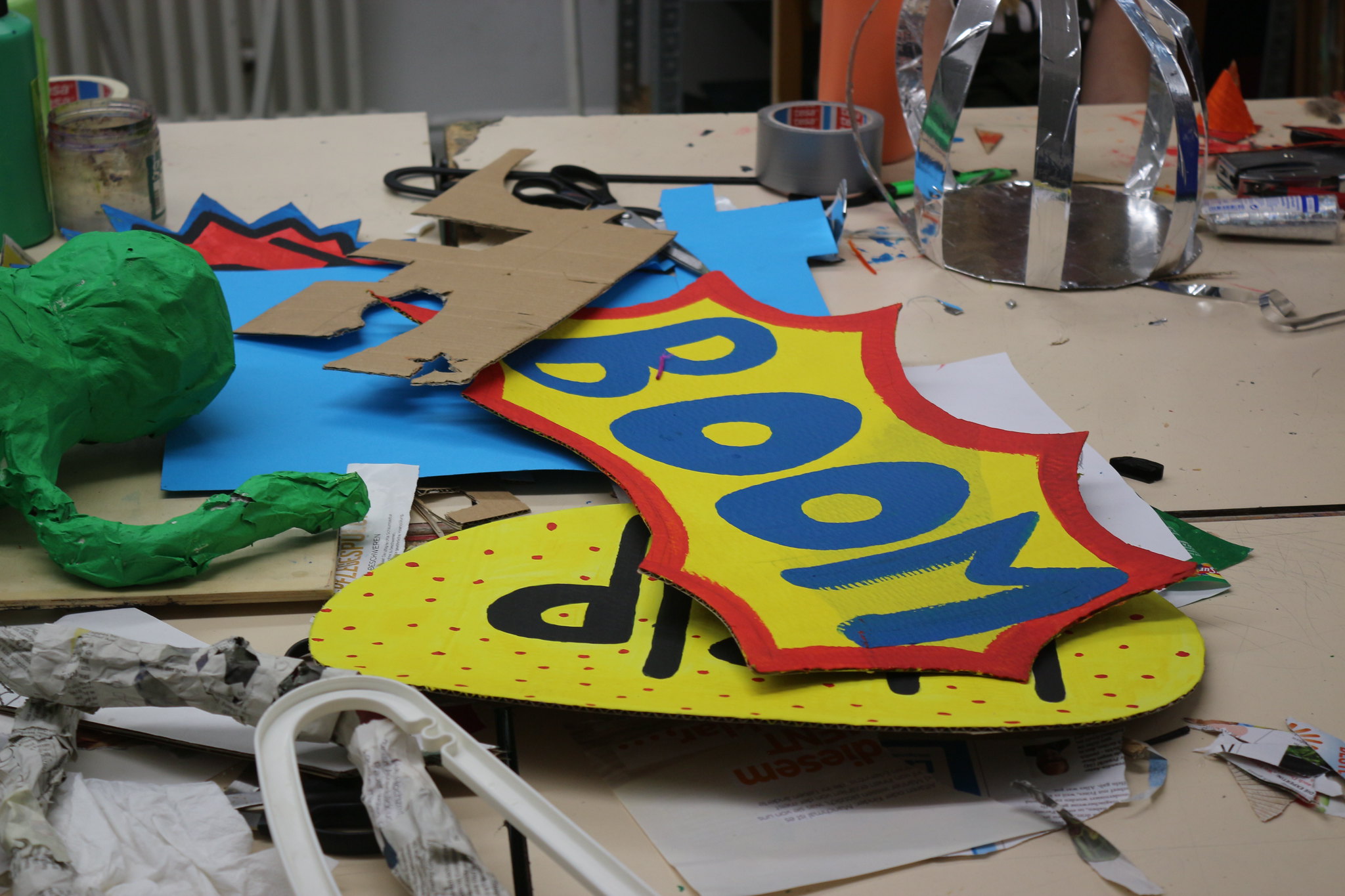
- Comics as booklets, live performances, etc., with pens, tablets or blacklight
- Design/layout from collages and posters to zines,
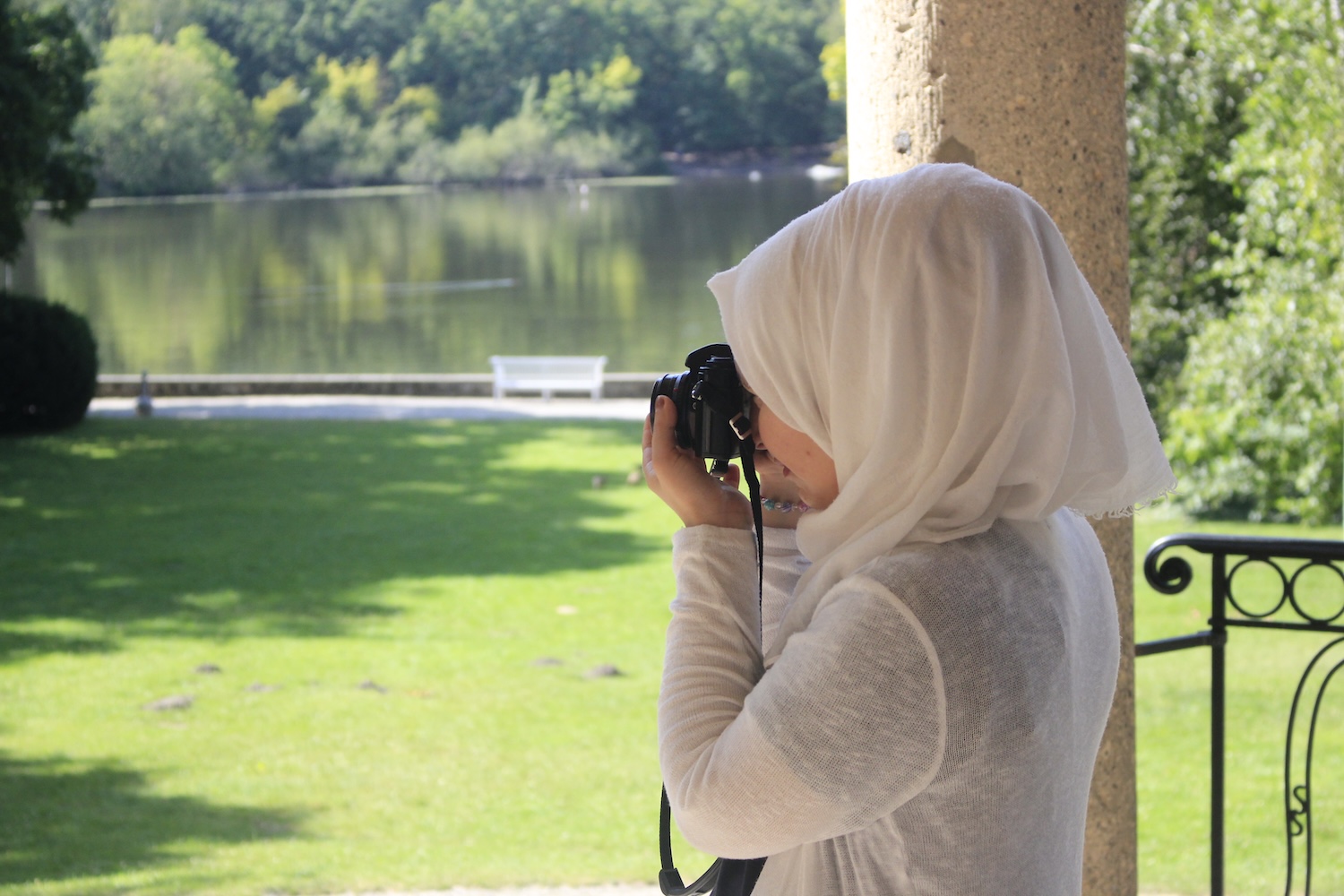
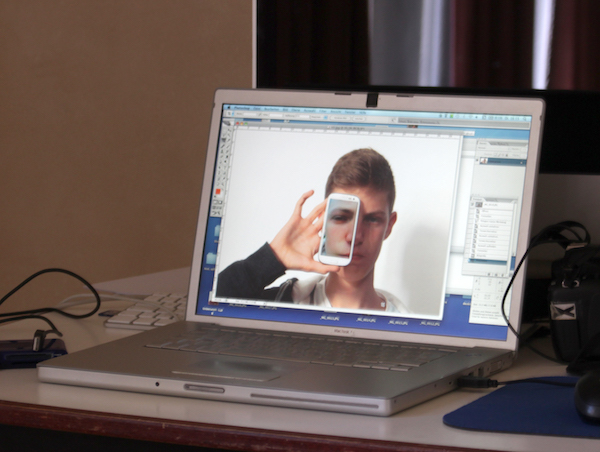
- Digital photography
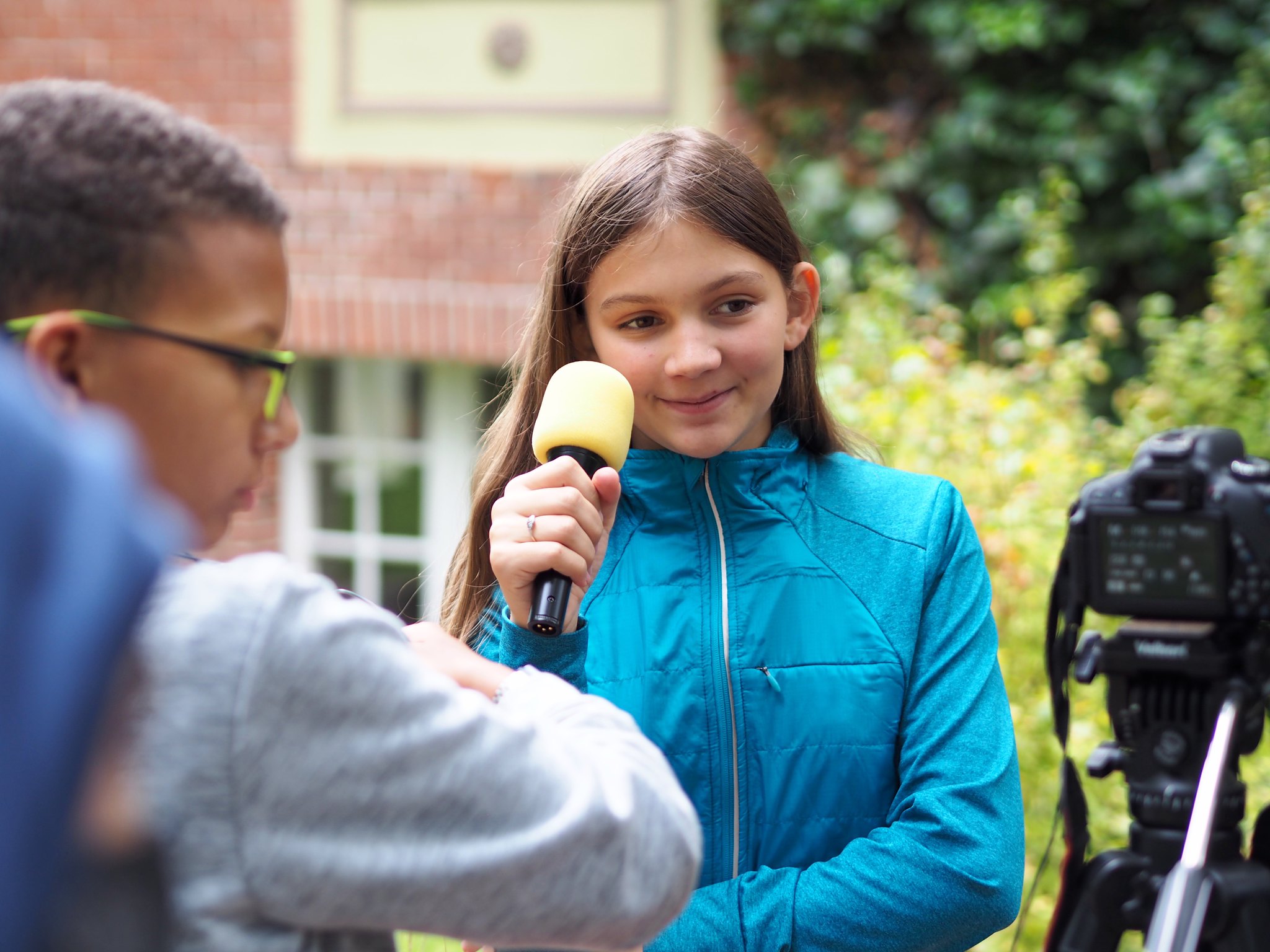
- Film/Video and Multimedia Forms
- Design from printmaking to stencil art
- Installations, for example, made from recycled materials or by welding sculptures
- Journalism,
- Kinetic art,
- Creative writing.
- Painting, illustration and drawing
- Mask making and costumes
- Mixed Media Land and Street Art
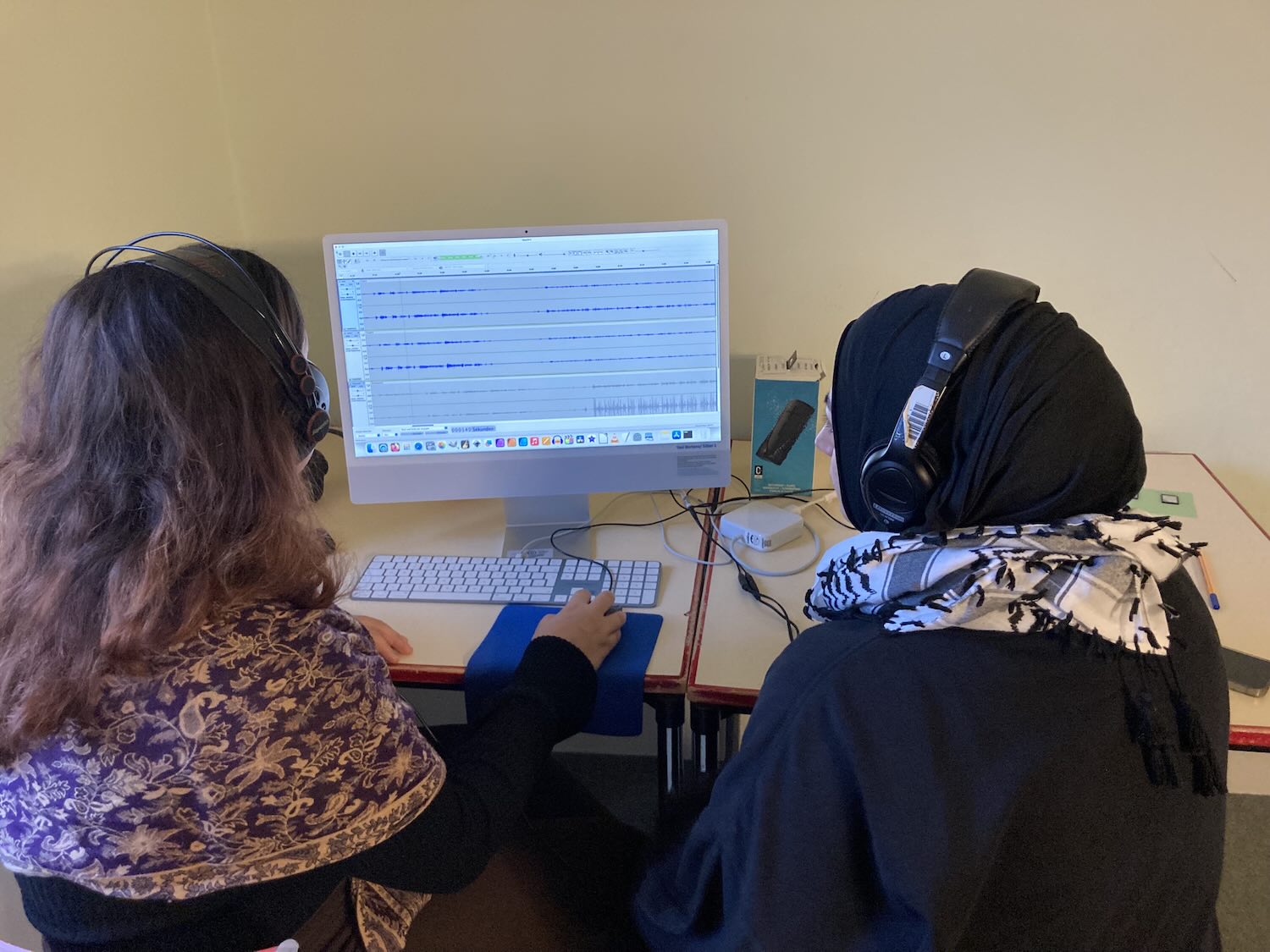
- Music ranging from songwriting and rap to sound experiments,
- Podcast and radio play
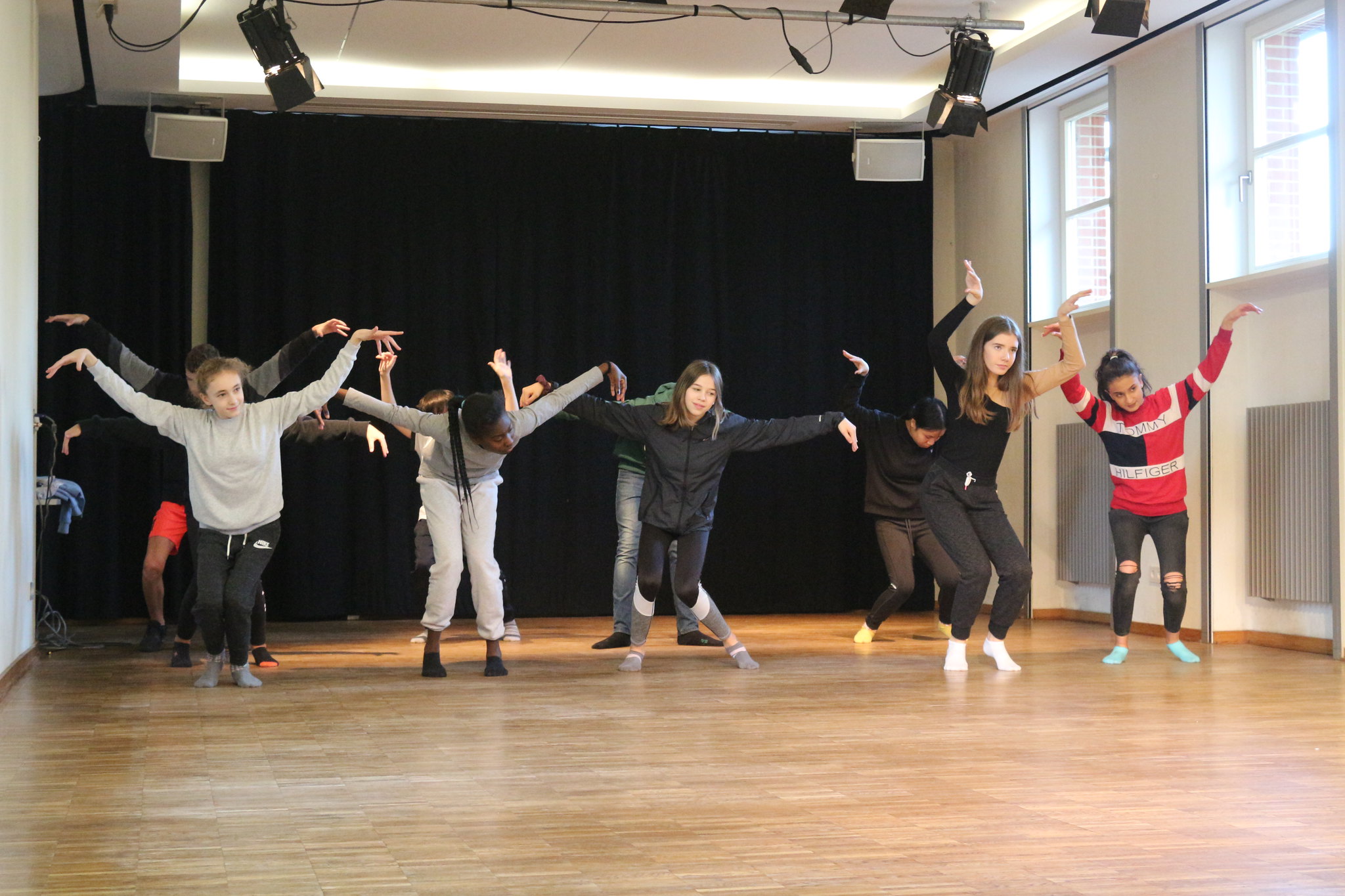
- Dance/Dance Theatre
- Tape Art
- Theatre and performance in different forms
- Upcycling
- Zine (small magazine)
- …we are always open to new workshop ideas
Here's what you can expect:
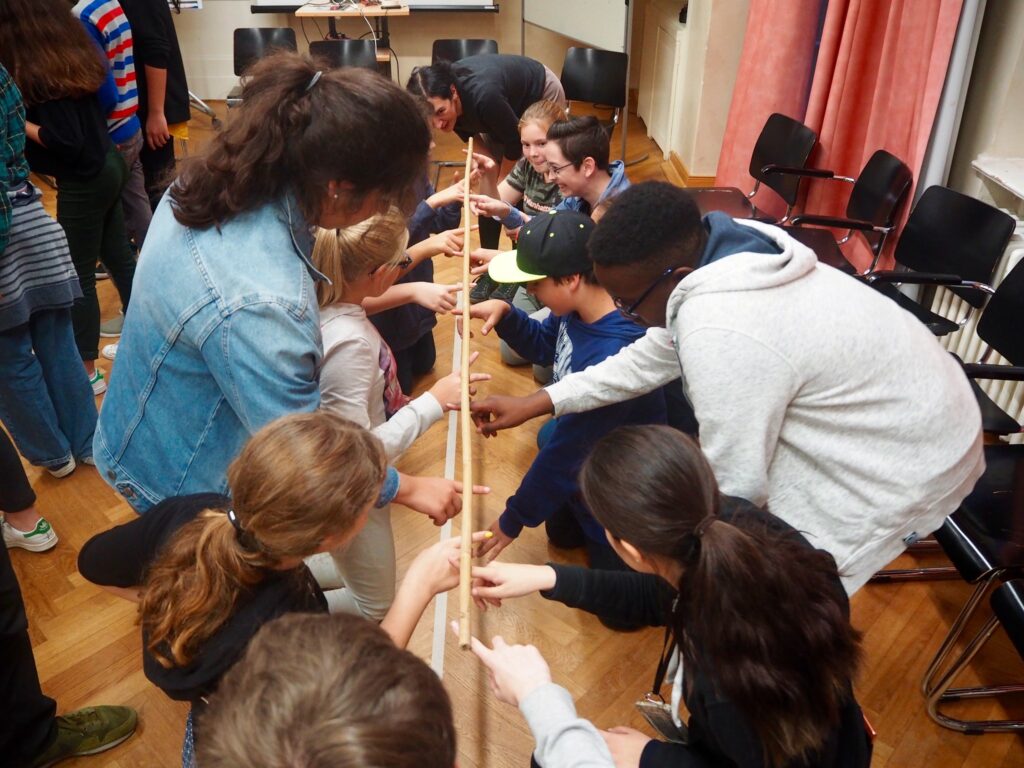
- Collaborative work and exchange in small groups
- Critical reflection on political and social issues
- Creative approaches through art, media and design
- Technical basics
- Artistic knowledge of design and presentation
- Enough time to immerse oneself in a matter
- Support from artists, journalists and media professionals
- Space for your questions, interests and ideas
- A process in which you experience democracy, learn about it, and try out participation
- Self-organized learning with head, heart and hand
- Strengthening your self-efficacy
- Developing solutions to tricky questions through exchange
- A glimpse into the future and encouragement to participate in shaping it
- Daily meetings of all groups in the morning for a joint start
- Finally: a live presentation of the results in front of guests
In our workshops, cultural and political education come together in a vibrant way. Knowledge meets creativity, personal experiences meet new perspectives. The workshop principle encourages participants to ask questions, think critically, and actively shape society.